
As sea level rise increasingly affects daily life in Alameda, residents are clear about what they want to see along their shoreline: adaptation strategies that protect and work with the natural environment. Last fall, the Oakland Alameda Adaptation Committee (OAAC), along with Greenbelt Alliance, Hood Planning Group, and Community Action for a Sustainable Alameda (CASA) put out a survey asking residents how they want to tackle sea level rise along the Alameda Shoreline. Over four months, more than 170 people responded, online and in person at local businesses and spots along the shore. Questions were organized by project reach, including Bay Farm Island, the South Shore, the East End, the Northern Waterfront, and the West End and Alameda Point.
The takeaway was consistent across neighborhoods: Alamedans strongly support solutions that protect natural systems while addressing real, everyday flooding concerns.
People Really Want Nature-Based Solutions
"Wetlands are the only thing that will save Alameda in the long term.”

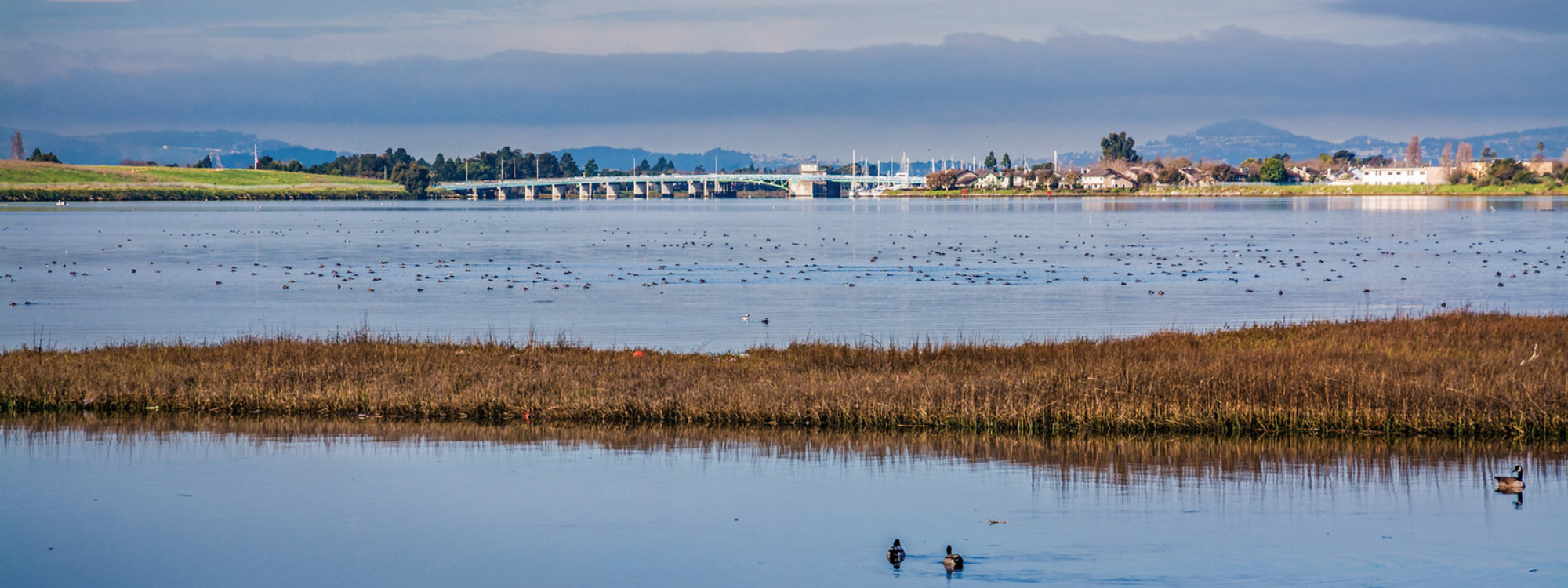
Residents overwhelmingly emphasized the importance of preserving and restoring wetlands, regreening shorelines, and safeguarding natural habitats as ways to adapt to sea level rise. For example, one respondent wrote: “Wetlands are the only thing that will save Alameda in the long term.” Another wrote: “Please do what is possible to incorporate natural methods for protecting the shoreline.”
Overall, when it came down to it, most people chose wetlands and natural solutions over sea walls.
A few other things stood out in people’s responses.
Fiscal Responsibility and Access Matter, Too
There was a lot of talk about fiscal responsibility and transparent budgeting; people want to make sure taxpayer money is spent wisely, and that the investments actually match the community’s needs.
Access was another big concern. People are worried about maintaining reliable ways to get on and off the island, especially making sure the Webster and Posey Tubes don’t flood, and that traffic congestion doesn’t worsen.
Respondents also highlighted that flooding isn’t just a future problem; it’s already happening. One person noted, “Over the past five years the paths [at the Elsie Roemer Bird Sanctuary] have been more and more frequently inundated with water.”
“Over the past five years the paths [at the Elsie Roemer Bird Sanctuary] have been more and more frequently inundated with water.”


Neighborhood Perspectives Add Nuance
“Please do what is possible to incorporate natural methods for protecting the shoreline.”
While support for both nature-based solutions and infrastructure protection was strong citywide, responses varied slightly by location. Residents in the Northside and East End tended to prioritize protecting infrastructure, including transportation routes, while respondents from the South Shore expressed comparatively stronger support for nature-based strategies. These nuances will help inform tailored adaptation approaches across Alameda.
What Happens Next
Based on what we’ve heard, the project team will continue to develop to the extent possible near- and long-term adaptation strategies that promote environmental protection, including preserving and restoring wetlands, regreening shorelines, and protecting natural habitat. Additionally, balancing concerns about congestion and transparent budgeting and decision-making will continue to be a top priority.
Looking ahead, the next iteration for sea level rise adaptation planning in Alameda will include community outreach for adaptation specific to Bay Farm Island as well as the Regional Shoreline Adaptation Plan (RSAP) required by the Bay Conservation and Development Commission (BCDC).
Want to stay in the loop? Sign up for OAAC updates here, and keep your eyes peeled for more opportunities to give your input on what you’d like to see at the shoreline!