
Helping South Bay Communities Adapt to Climate Change
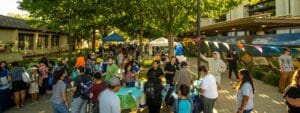
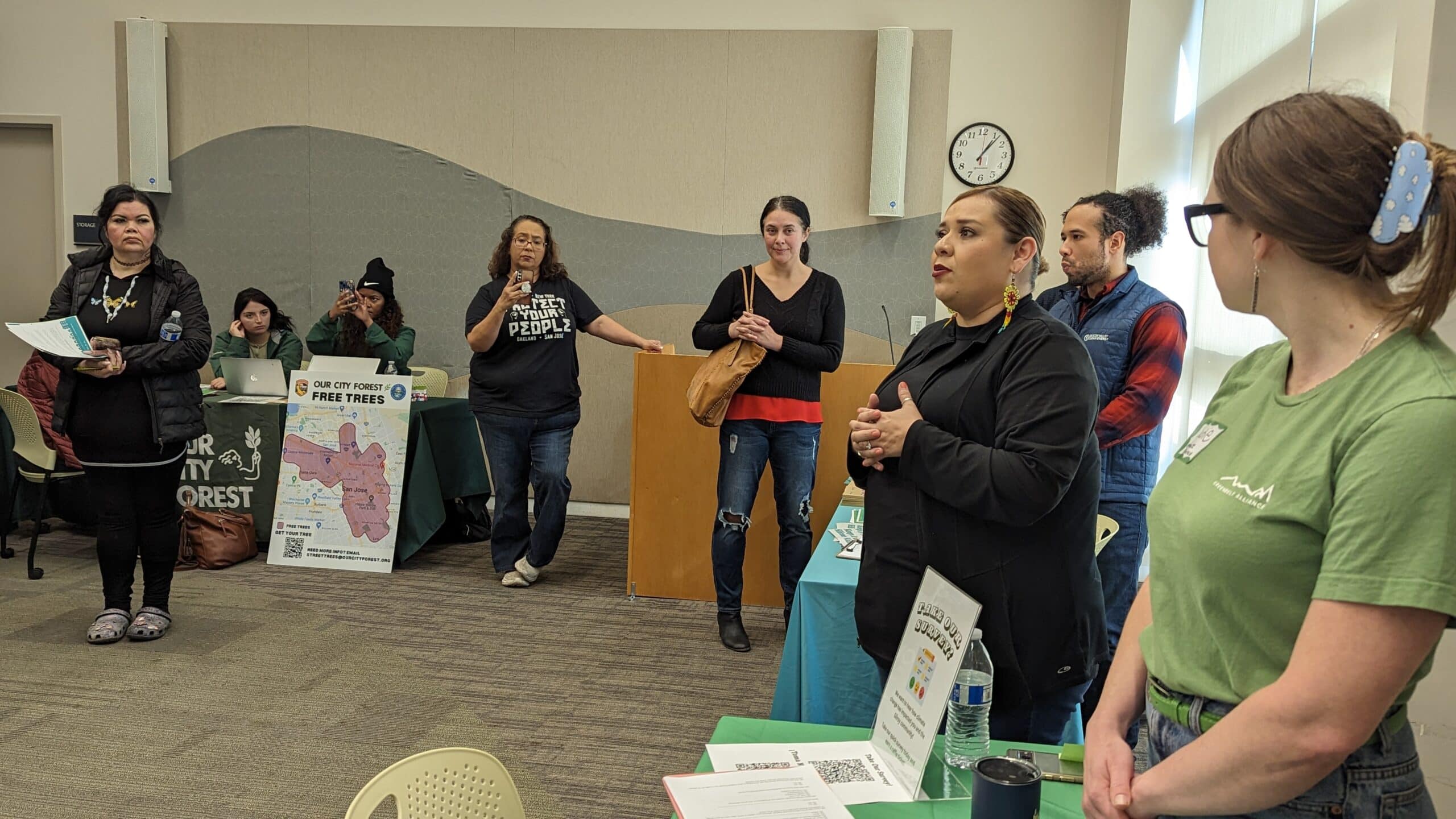
Greenbelt Alliance’s supporters and partners gathered for the 2025 South Bay Happy Hour to learn about our work in the South Bay and celebrate the community that makes it all possible.
Engaging communities to plan for resilience hubs in Gilroy and East San José and equip residents with emergency preparedness resources.
As climate change continues to impact frontline communities disproportionately, they must have the resources and agency to combat its adverse effects.
Our vision is to establish resilience centers in Gilroy and East San José, where community members can come together to develop and implement solutions that mitigate the impacts of climate change. Through this Planning Grant, we are engaging those who have been left out of climate decision-making and empowering them to take control of their communities’ future, equipping them to identify, envision, and activate resilience centers that respond to local climate, social, and economic needs. By working together, we can establish robust, climate-resilient communities resilient to the impacts of climate change.
A Resilience Hub is a community-centered space designed to support residents in building strength and connection before, during, and after emergencies such as wildfires, power outages, floods, or heatwaves.
These resilience hubs are more than just buildings—they’re a lifeline in times of crisis and a place to grow, learn, and connect every day. The physical hubs that could provide:
The Santa Clara County Resilience Hubs Collaborative is supported by the California Strategic Growth Council’s Community Resilience Centers Program, which funds neighborhood-level resilience centers to provide shelter and resources during climate and other emergencies, as well as year-round services and programming that strengthen community connections and the ability to withstand disasters.
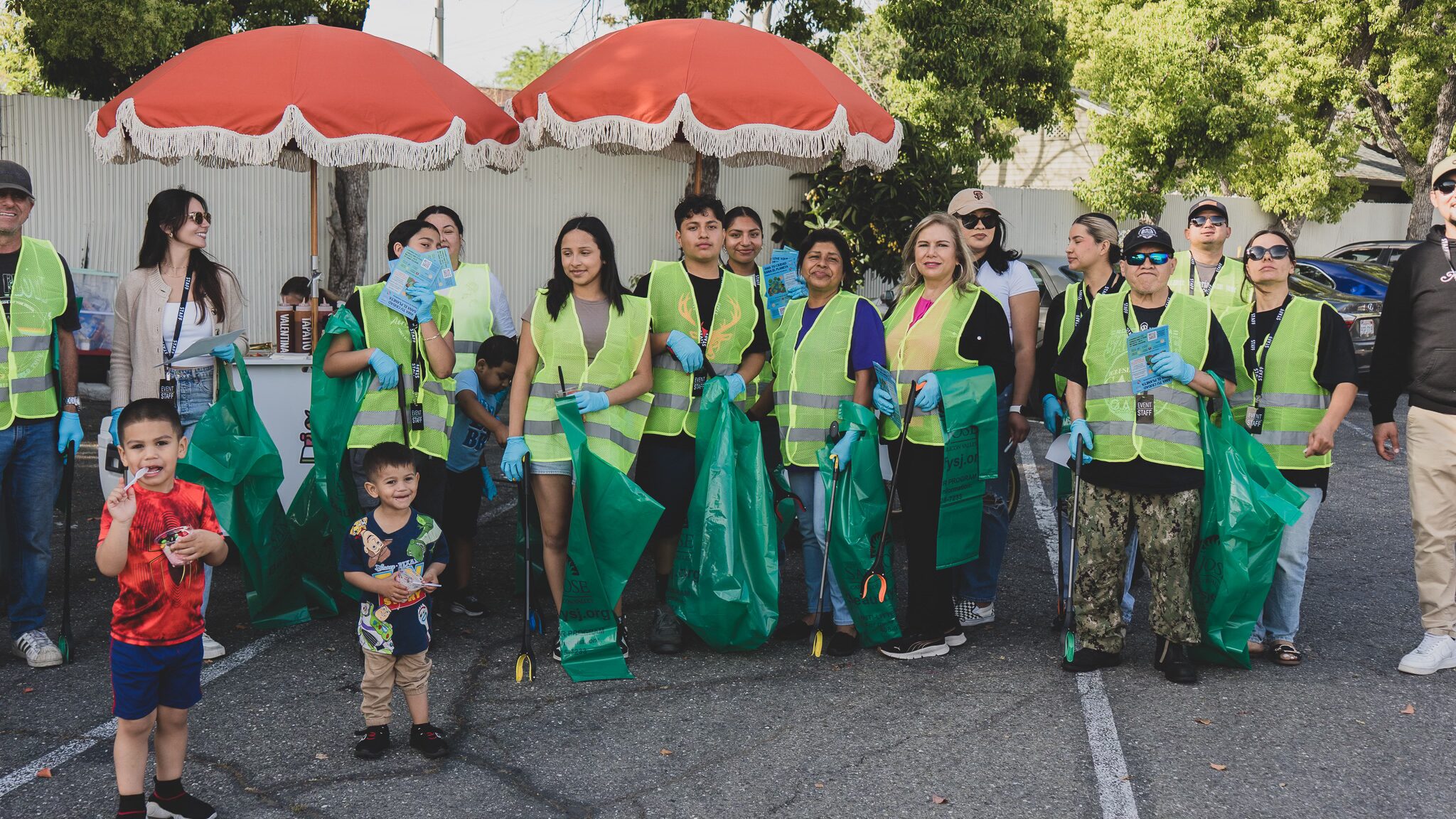
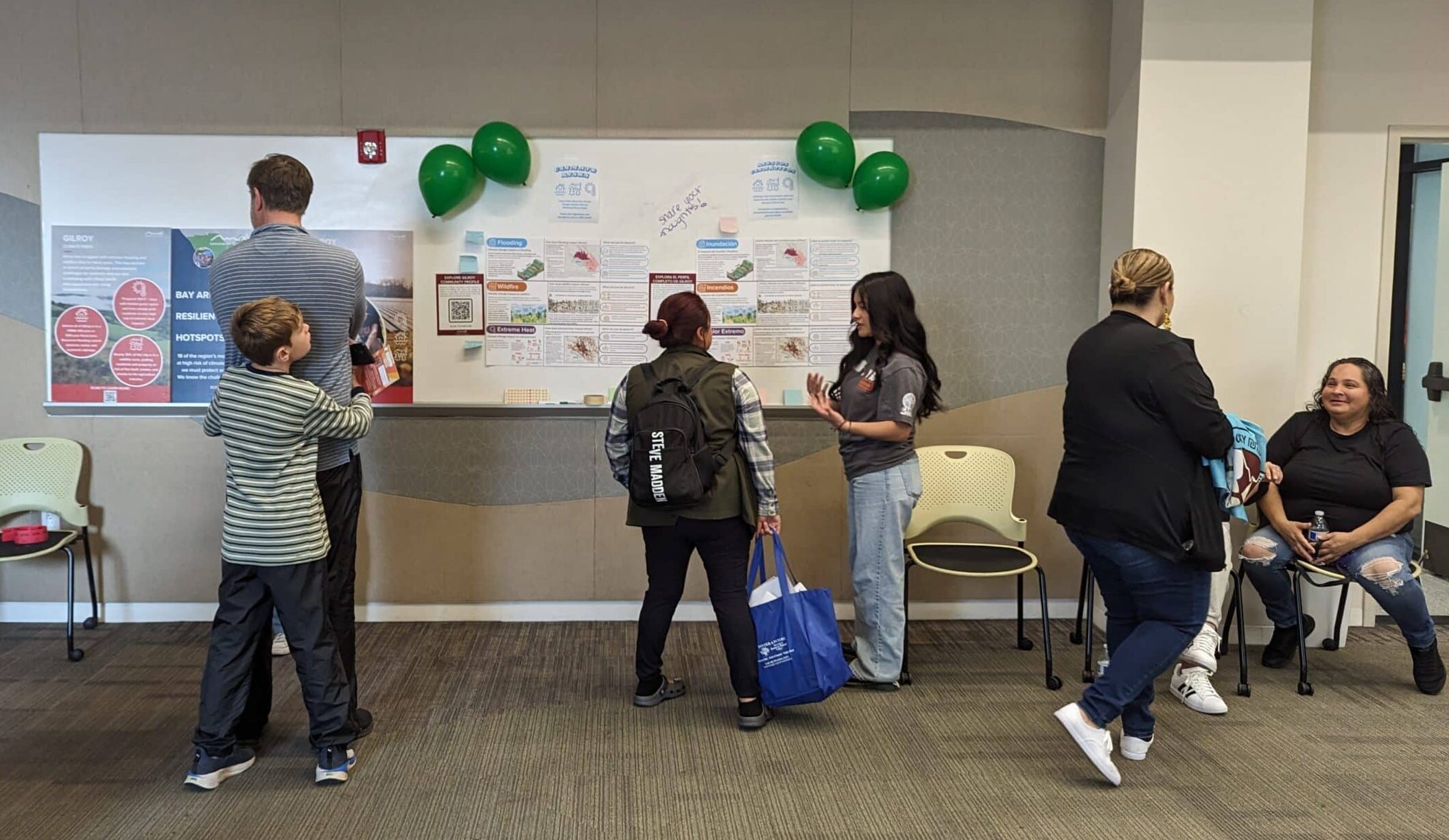
Gilroy is one of Greenbelt Alliance’s top Resilience Hotspots due to its significant climate risks. In Gilroy, our initiatives are focused on increasing community resilience to wildfire, extreme heat, and flooding by engaging with residents to understand priorities and promoting climate change and disaster preparedness resources.
In November 2024, Greenbelt Alliance and CARAS launched the Be Prepared Gilroy: A Community Disaster Preparedness Toolkit to provide Gilroy residents with key local disaster preparedness resources in one place and propose a roadmap for community disaster resilience. Its content was informed by extensive research from Greenbelt Alliance’s Resilience Hotspots Initiative (available in English and Spanish), community and stakeholder engagement, multiple conversations, surveys, and events.
Our two-year planning process is grounded in community wisdom, cross-sector collaboration, and long-term resilience strategies. Here’s how we’ll get there:
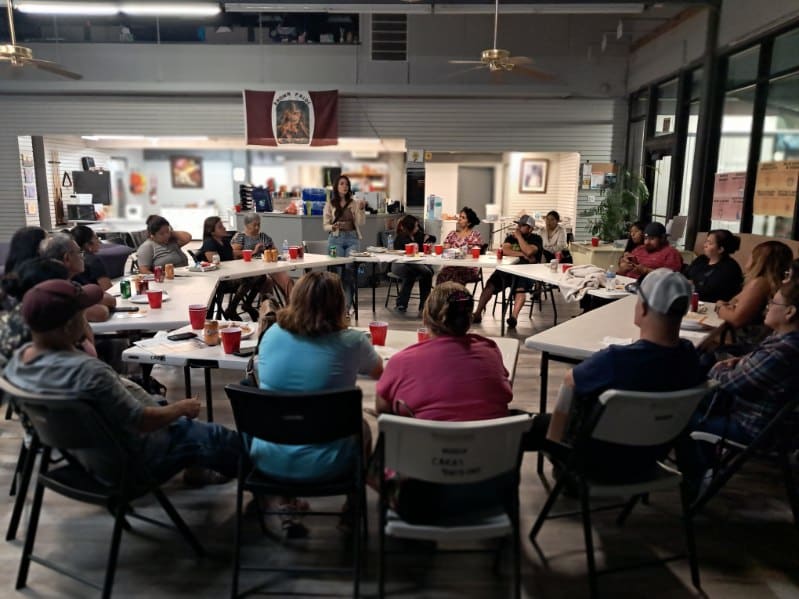
We begin by listening. Through surveys, focus groups, workshops, and one-on-one conversations, we’re gathering insights from residents who live and work in Gilroy and East San Jose. This ensures that community needs, priorities, and lived experiences are at the heart of every decision we make.
Next, we bring together key partners to form a Collaborative Stakeholder Structure. We are facilitating this structure through the Resilience Hubs Work Group, a new effort convened under the Santa Clara County Climate Collaborative (SC4). The Work Group meets quarterly and serves as a shared space where stakeholders can collaborate, share best practices, and co-design strategies that are grounded in community realities and supported by cross-sector expertise.
With community and partner input, we identify buildings in Gilroy and East San Jose that can be retrofitted to serve as full-service resilience hubs. We prioritize locations that are trusted, accessible, and already embedded in the daily life of the community—such as community centers, libraries, churches, or nonprofit spaces. These buildings will be adapted to provide resources during emergencies while offering ongoing programs throughout the year.
Finally, we’ll co-create a detailed roadmap for development. This plan outlines the hub’s day-to-day services, emergency functions, and strategies for long-term sustainability. It includes everything from programming and operations to maintenance, staffing, and funding sources.
All photos by Karl Nielsen/Greenbelt Alliance

Greenbelt Alliance’s supporters and partners gathered for the 2025 South Bay Happy Hour to learn about our work in the South Bay and celebrate the community that makes it all possible.

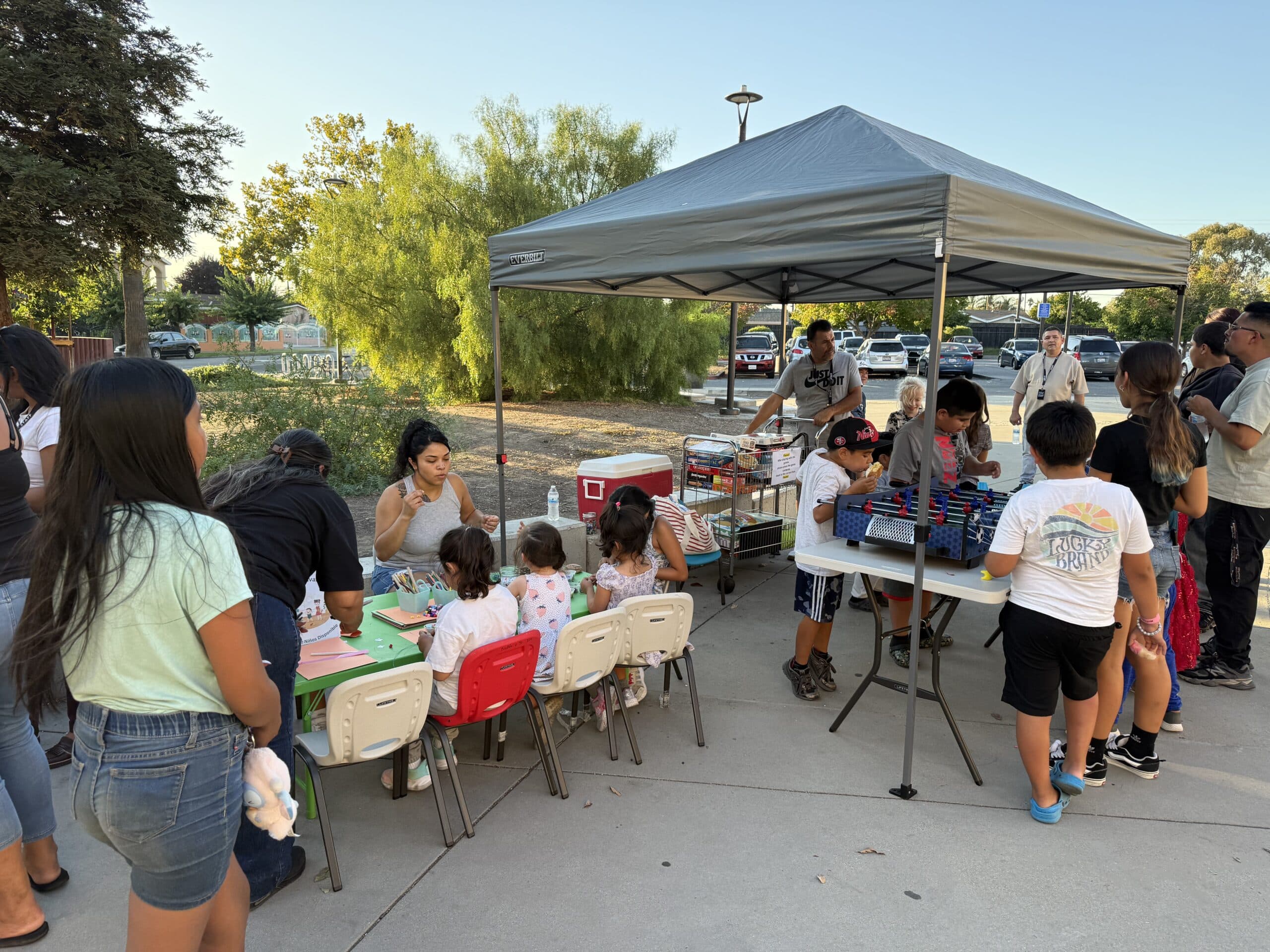
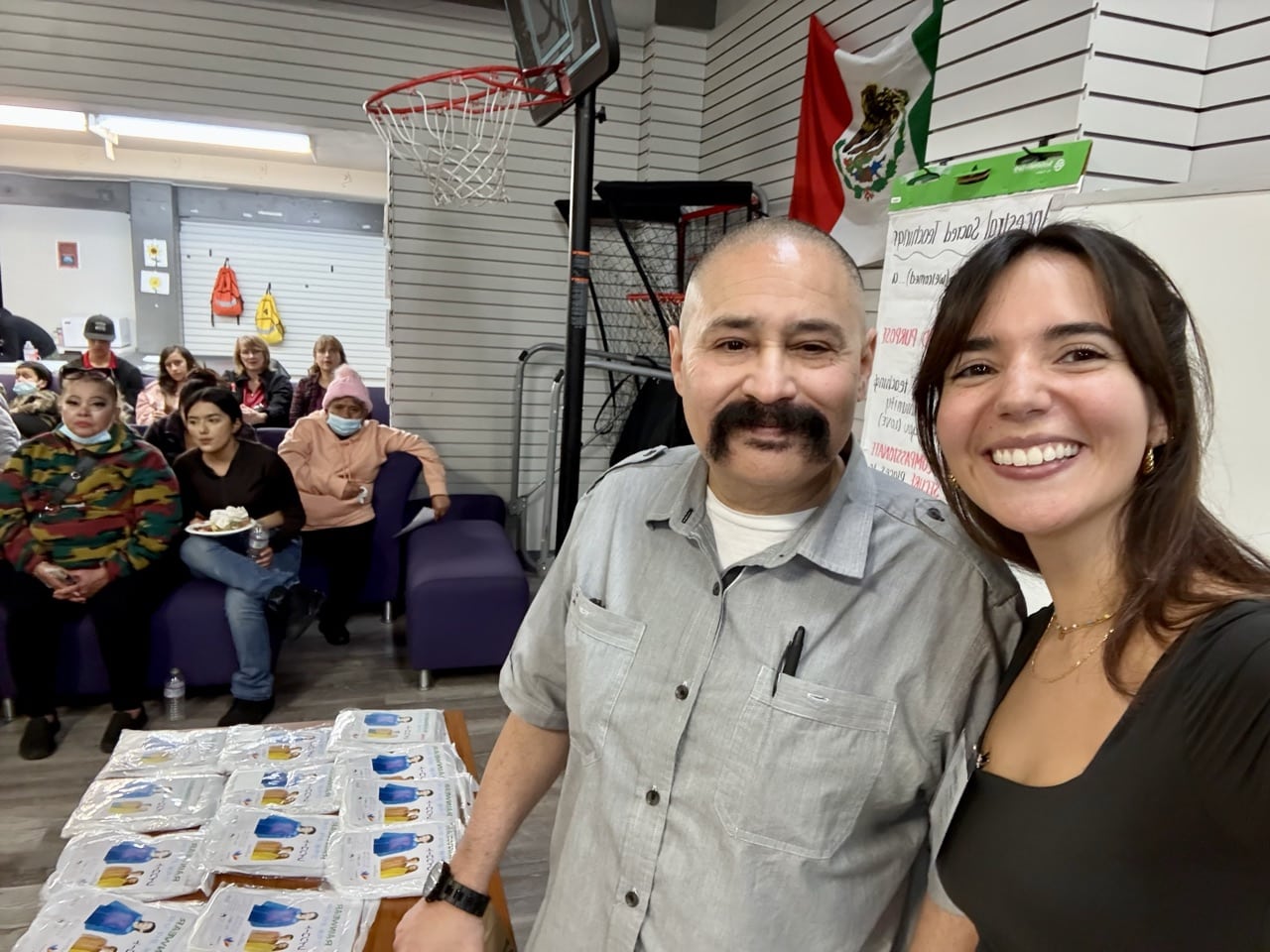
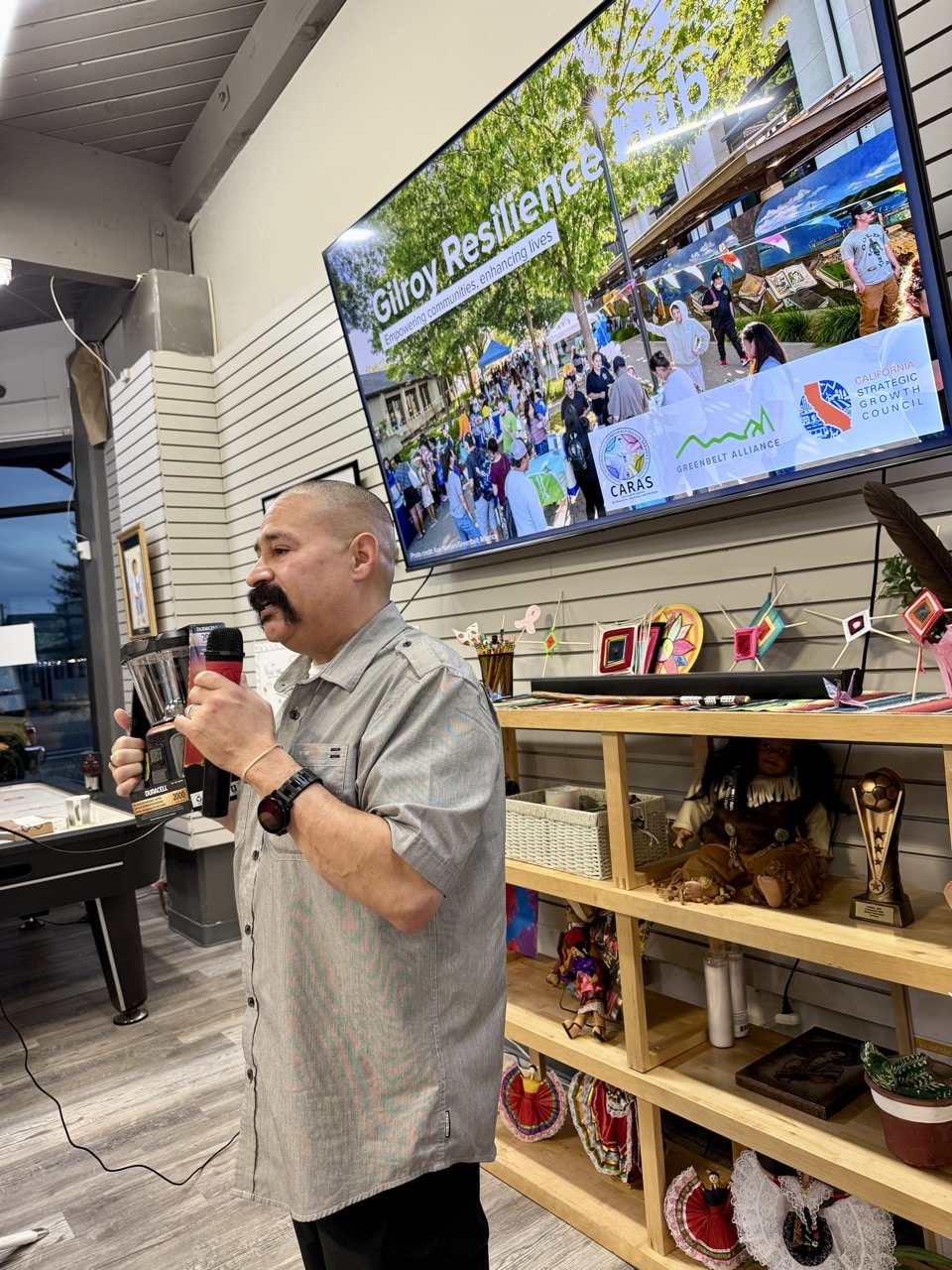
The CARAS Youth Hub in Gilroy was buzzing with energy, conversation, and a powerful sense of community on Monday, February 24, for the official launch of the Gilroy Resilience Hub Planning Project, led by Greenbelt Alliance and CARAS – Community Agency for Resources Advocacy and Services and funded through the California Strategic Growth Council’s Community

As the southernmost city in the Bay Area, Gilroy is located in Santa Clara County along Highway 101. Flanked by bountiful agricultural lands, the community’s pride can be found in the garlic crops they grow there. Gilroy faces significant climate risks including fire, flooding, and extreme heat. Severe flooding and wildfires have historically and recently