

Picture of Ken Lavin

Ken Lavin

Your Wildflower Guide To DIY Hikes in the Bay Area

Spring is wildflower time in the Bay Area. But the flowers we encounter on our Greenbelt outings are more than just a pretty face; many have interesting animal stories associated with their common and scientific names. 

One of the earliest bloomers, Warrior’s Plume, belongs to the genus Pedicularis, which is the name for a type of louse. According to legend, sheep or cattle grazing around these flowers are likely to become infested with lice. (Not true, not even ticks!) 

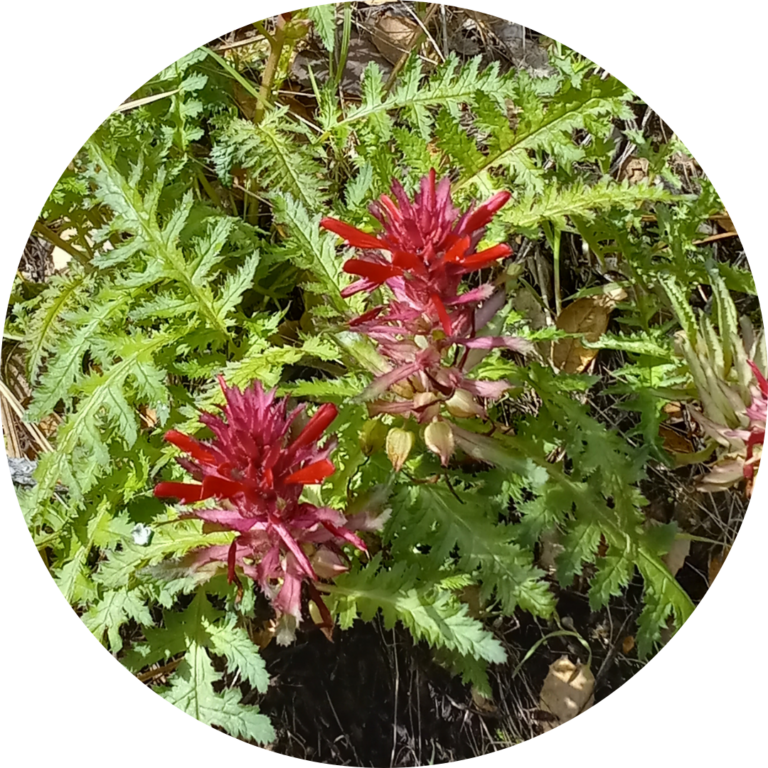
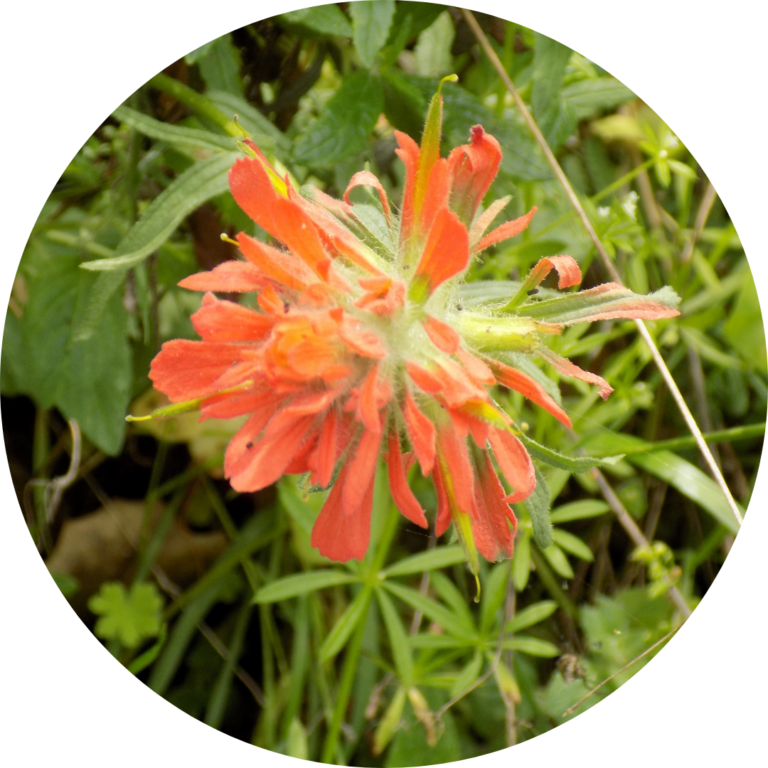
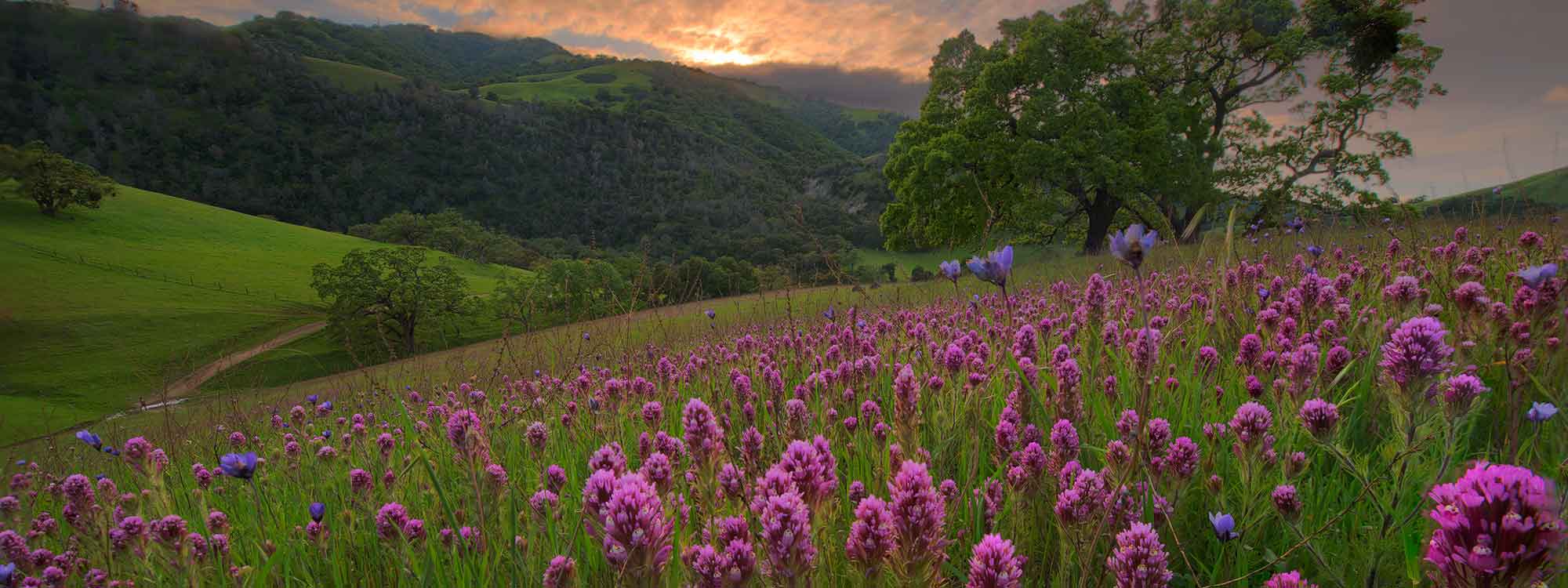
A close relative, Paintbrush, was the subject of even a stranger belief. Because the flower is often found in chaparral areas populated by snakes, folks thought that paintbrush was pollinated by rattlesnakes. After all, it was reasoned, the flower has no scent and no landing pad for insects. And if that weren’t enough, it was imagined that rattlesnakes got their venom from drinking paintbrush nectar. The truth is that these tube-shaped flowers are pollinated by decidedly non-poisonous hummingbirds. Warrior’s plume and paintbrush aren’t very good neighbors, though. They are hemiparasites. They can photosynthesize and survive on their own, but if a shrub is in the vicinity, these flowering plants stick their roots into the shrubs and steal food and water. Talk about annoying neighbors!

The canine family is well represented among our wildflowers. There are many species of lupine in the Bay Area. Lupine is derived from the scientific name for the flower, Lupinus, Latin for wolf. Because lupine sometimes grows in areas with few other plants, it was wrongly believed that lupine robbed the soil of nutrients at the expense of other plants. But like its namesake, the wolf, its beneficial role in ecology was misunderstood. Lupine is a pioneer plant, enriching barren soil with nitrogen-fixing nodules in its roots.

Hound’s Tongue derives its name not from the plant’s pretty blue flowers, but from its floppy leaves. According to the old English “doctrine of signatures,” a plant’s usefulness was related to what it looked like. Thus, a traveler could keep nasty dogs away by wrapping a hound’s tongue leaf around her shoe. This was of doubtful effectiveness, as the crushed leaves of hound’s tongue were considered a poultice for dog bites!

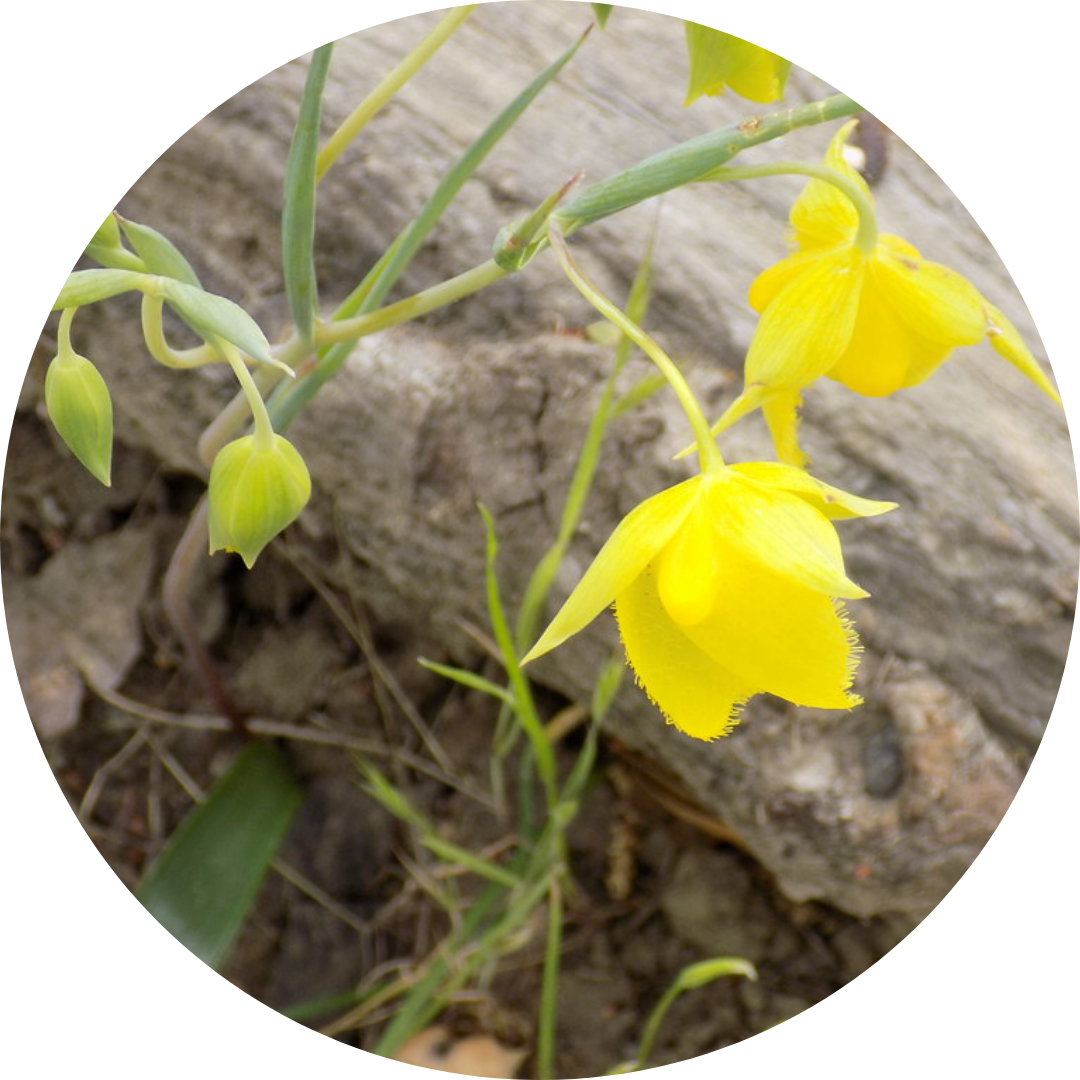
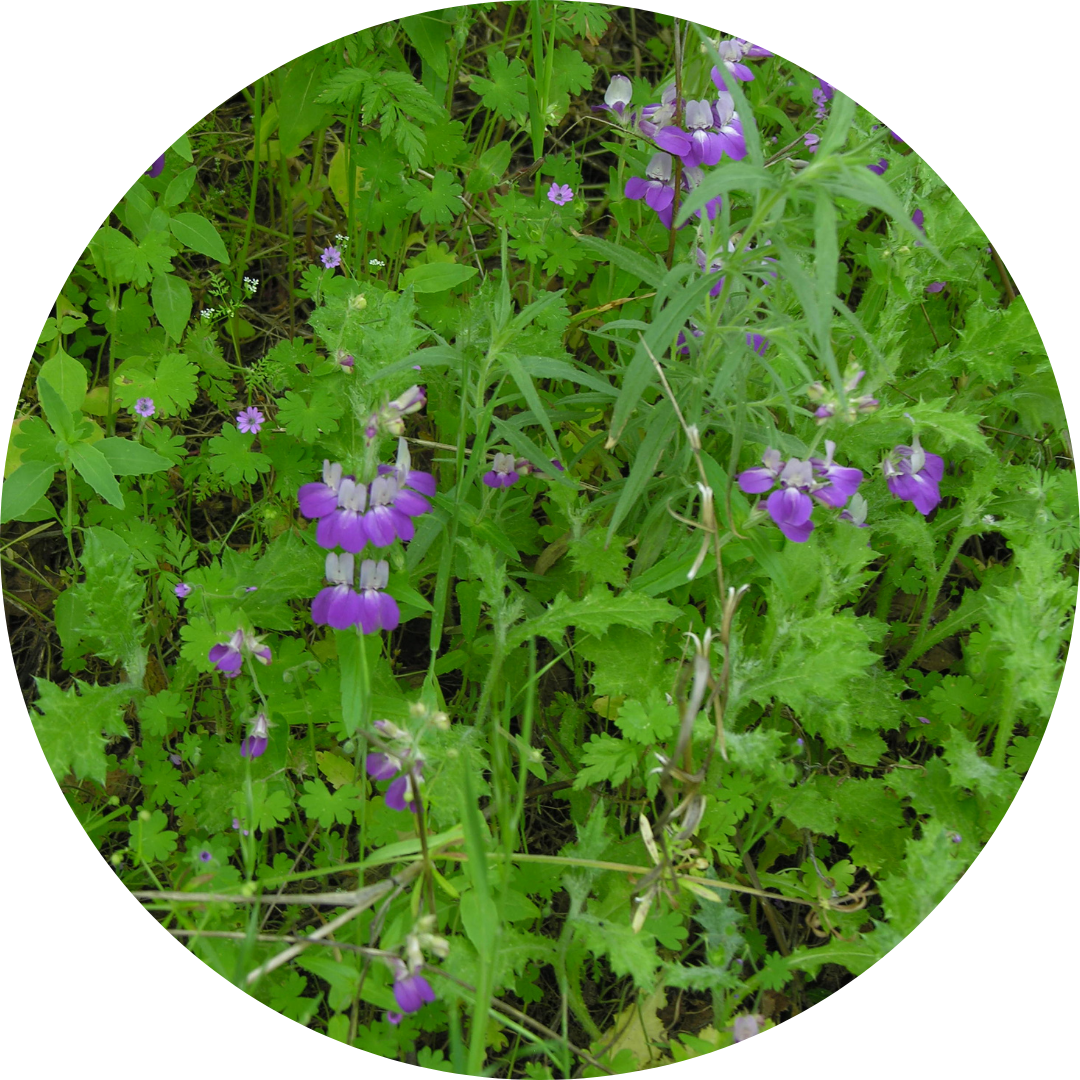
One dog that definitely did not bite was Billy, a Highland terrier. Along with his master, botanical explorer David Douglas, the duo explored the Bay Area in 1831 and scientifically described many of the plants we see on our outings, including Baby Blue Eyes, Globe Lilies, and pagoda-shaped Chinese houses. (Look for our special dog-friendly outings on our website later in the year)

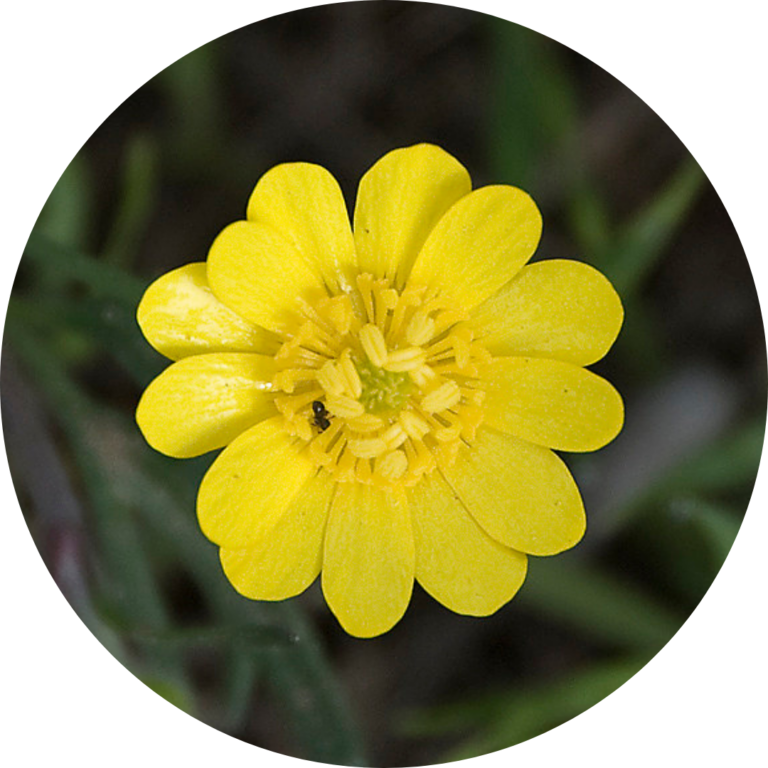
Buttercup, with its bright yellow color, is also called crow’s foot after the birdlike shape of its leaf. Buttercup’s scientific name is Ranunculus, or little frog, so named because the flower shares some of the moist habitat with chorus frogs. Can you imagine an early-day botanist bending over to examine the flower and being startled by a jumping tree frog? Legend has it that if you hold a buttercup flower under your chin and see a yellow reflection, it means you like butter (and possibly have high cholesterol). 

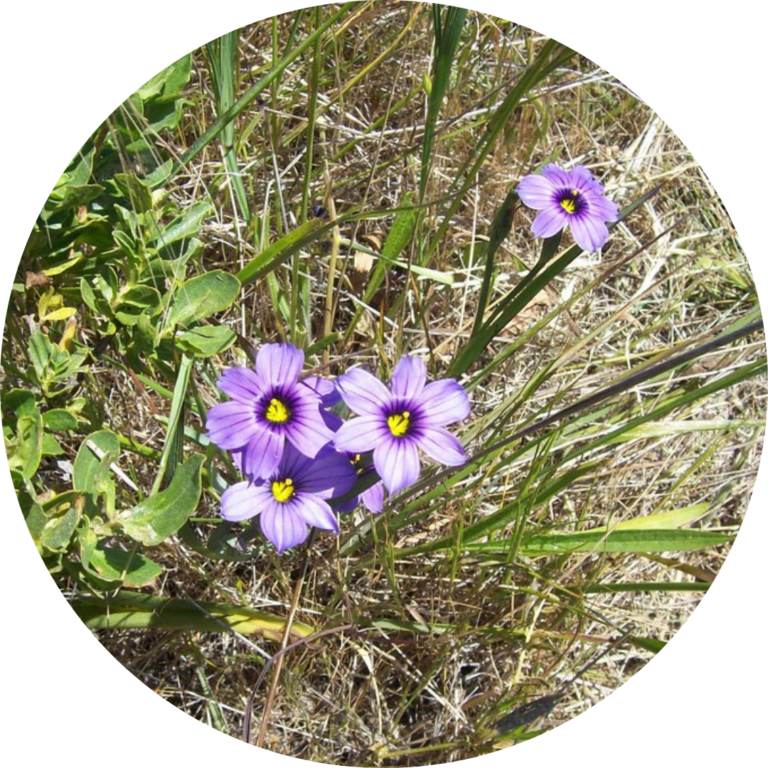
Even the pesky feral pig has its own flower. The scientific name for blue-eyed grass is Sisyrinchium bellum, literally “pretty pig’s snout.” Contrary to its name, blue-eyed grass is neither blue nor a grass. This purple flower is actually the smallest member of the iris family. Don’t tell the pigs.

Ralph Waldo Emerson said that “the earth laughs in flowers.” Join Greenbelt Alliance on some of our many wildflower outings in April and May, and use this guide to remember the humorous tales associated with the flora around us.

Apr
19

Briones in Bloom

Briones Regional Park
Celebrate Earth Day on a delightful hike featuring wildflowers and great views!
$0.00 - $108.55
3 Tickets Available
Briones in Bloom
Apr
26

Beautiful Black Diamond

Black Diamond Mines Upper Parking Lot
Join Greenbelt Alliance for a nature and history adventure in the East Bay hills.
$0.00 - $108.55
Tickets Available
Beautiful Black Diamond

Share this post

KEEP READING

Related Posts

Scroll to Top