
The Bay Area is facing its biggest threat to public transportation in decades. With a looming fiscal cliff, major transit agencies—including BART, Muni, Caltrain, and AC Transit—may soon have to make difficult decisions to close stations, reduce frequencies, and shorten hours of operation.
A major grassroots campaign, however, might avert this crisis on the November ballot to secure long-term funding and ensure that our public transit can provide critical services to our communities.
On May 26, the Connect Bay Area campaign announced it collected more than 305,000 signatures to qualify a regional transit funding measure for the November ballot—crushing the minimal threshold of 186,000 required signatures. the measure will create a ½ percent sales tax in Alameda, Contra Costa, San Mateo, and Santa Clara Counties; San Francisco County will have a 1-percent sales tax. Taxes collected from this measure will be used to fund the transit operations for BART, Muni, Caltrain, and AC Transit while also funding transit transformation improvements to safety, cleanliness, convenience, and seamless integration of transit services.
“The success of this effort is built on one of the largest grassroots transit organizing efforts the region has ever seen and major support from business and labor organizations,” celebrated the campaign on a statement announcing the achievement.
Greenbelt Alliance is proud to be part of this grassroots coalition and endorse the Connect Bay Area Campaign, mobilizing volunteers and petition signers to achieve this important goal.
"The Bay Area's public transit is a core pillar of our region's ability to usher in a climate-smart, affordable, and just future. Greenbelt Alliance is excited to be a part of this grassroots coalition to help protect and enhance our public transportation and reduce pollution."
Amanda Brown-Stevens, Executive Director
The campaign has grown in support over the last several months with more than 80 elected officials and more than 90 labor groups and advocacy organizations signing on in support. Major businesses from across the region have helped to fundraise over $5.5 million so far to get the measure on the ballot and prepare for the November election.
The more than 300,000 signatures will now be officially counted and validated by the Departments of Elections for each of the five counties over the next few weeks before the measure can officially be placed on the ballot.

How We Got Here
Funding for transit agencies in the Bay Area relies heavily on fares and local revenue sources, so when the COVID-19 pandemic hit and ridership plunged, a substantial amount of that funding disappeared. For a while, agencies were able to stay afloat due to the federal relief stimulus, but that has quickly dried up, and California has not stepped in to address those deficits. Without yearly State funding and with ridership only slowly recovering to pre-pandemic levels, agencies are not seeing the revenue needed to continue operating at full capacity.
To put this into perspective, here is what will happen in 2027 if we do not pass the transit measure:
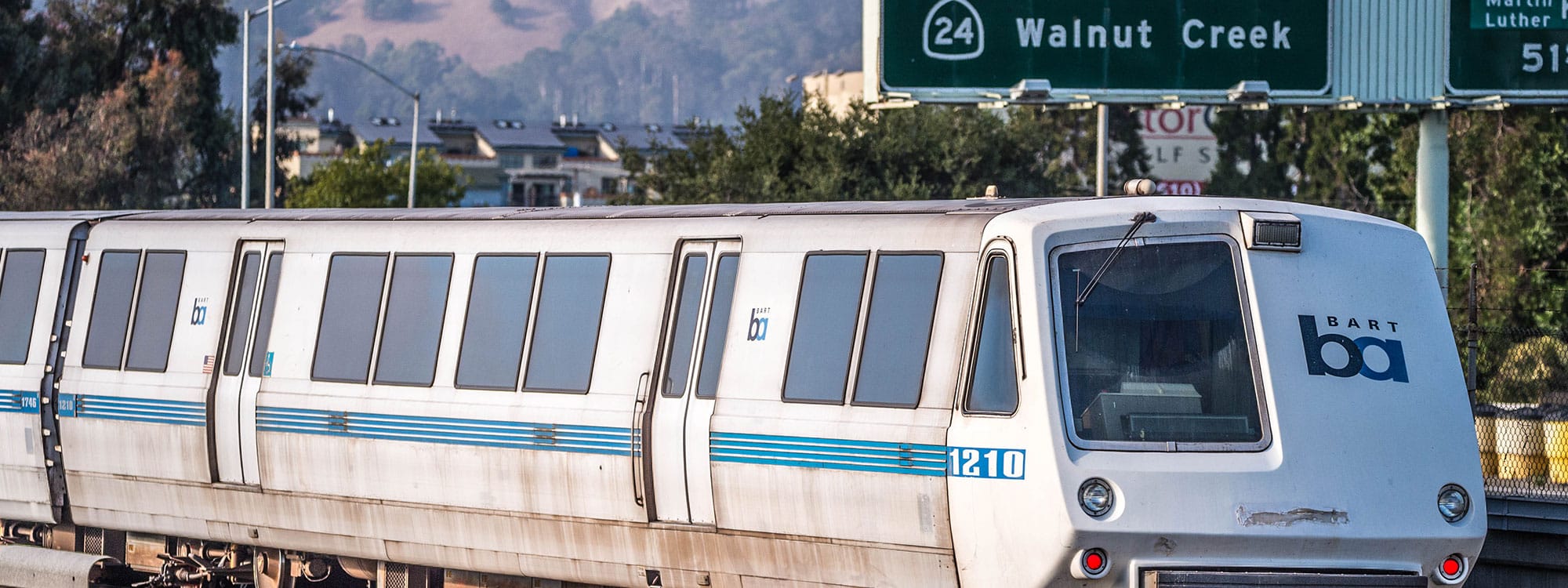
- Red and Green lines will be phased down to just peak hours in January 2027. The Grey line will close at this time, too. The blue line will close in July 2027.
- 15 stations with the lowest ridership will close, including Millbrae and Warm Springs, by July 2027.
- 70% reduction in train hours and 25% reduction in system miles by July 2027.
- 30% fare increase in January 2027, and a 50% increase in July 2027.
- The agency will face a $355-$385 million budget deficit (30% of the operating budget)
- Without a funding pathway by mid-2028, BART may have to stop all operations. See more details here.
- There will be a 50% cut of Muni services
- There will be an elimination of fare discounts and pass programs for youth and seniors
- The agency will face a $322-$398 million budget deficit (25% of the operating budget)
- There will be a nearly 40% cut to services
- The agency will face a $51-$72 million budget deficit (10% of the operating budget)
- The agency will run 1 train per hour and cut all weekend service
- The agency will face a $65-$76 million budget deficit (42% of the operating budget)
These monumental disruptions to operations are direct consequences of the fiscal cliff. However, it does not account for the myriad ramifications down the road for managing traffic, tackling climate change, meeting our housing needs, and ensuring an affordable California for all.
“Fuming” with Greenhouse Gases
With 41% of California’s greenhouse gas emissions coming from the transportation sector, losing major parts of our public transit system will allow for even more cars on the road and weaken our ability to fight the climate crisis. Without BART, drivers can expect their commute to extend by 12 more hours per week and see traffic across the Bay Bridge surging by 73%. This means less time with family and friends doing the things we love.
In the long term, this may lead to worsening climate hazards, including droughts, flooding, and wildfires. More cars will also be a direct threat to our health and well-being, causing more air pollution, compromising air quality, and increasing respiratory-related illnesses. By maintaining our public transit system, we can reduce GHG emissions and avoid these catastrophic changes to our communities.

Communities Connected to Transit
Three words encapsulate our housing abundance strategy: transit-oriented development (TOD). In the last two decades, many urbanists have turned their attention to creating walkable, affordable, and resilient communities that are well-connected to the places where people work, study, and play. A cornerstone of this vision is built on the idea that we should promote more homes near our public transit corridors.
BART TOD projects like MacArthur Station provide residents access to the vibrant Temescal neighborhood, while allowing easy access to commute to downtown Oakland or San Francisco. Even new project proposals like the Caltrain-adjacent Hillsdale Reimagined in San Mateo demonstrate the durability of TOD in renovating underutilized buildings and turning them into lively community spaces.
That is why Greenbelt Alliance co-sponsored Senate Bill 79 in the California legislature, which makes it easier and faster to build homes near public transit. While SB 79 is now law, the risks of public transit’s fiscal cliff diminish the law’s application by making fewer sites viable for TOD upzoning. Other proposed TOD projects funded by transit agencies will likely be reevaluated, too. This could all delay much-needed affordable housing in the Bay Area and worsen the housing crisis.
Saving public transit goes far beyond just our means of commuting. A healthy public transit system reduces traffic, protects us from pollution, reduces GHG emissions, creates resilient neighborhoods, and supports new housing. If the more than 305,000 signatures are validated by each county’s Department of Elections, the measure will officially be on the November ballot. For more information about the Connect Bay Area campaign or to get involved, please visit connectbayarea.com