
As Bay Area communities brace for a record-breaking El Niño, combined with the effects of King Tides and Kelvin waves, we are laying the groundwork to improve preparedness in Oakland’s shoreline communities.
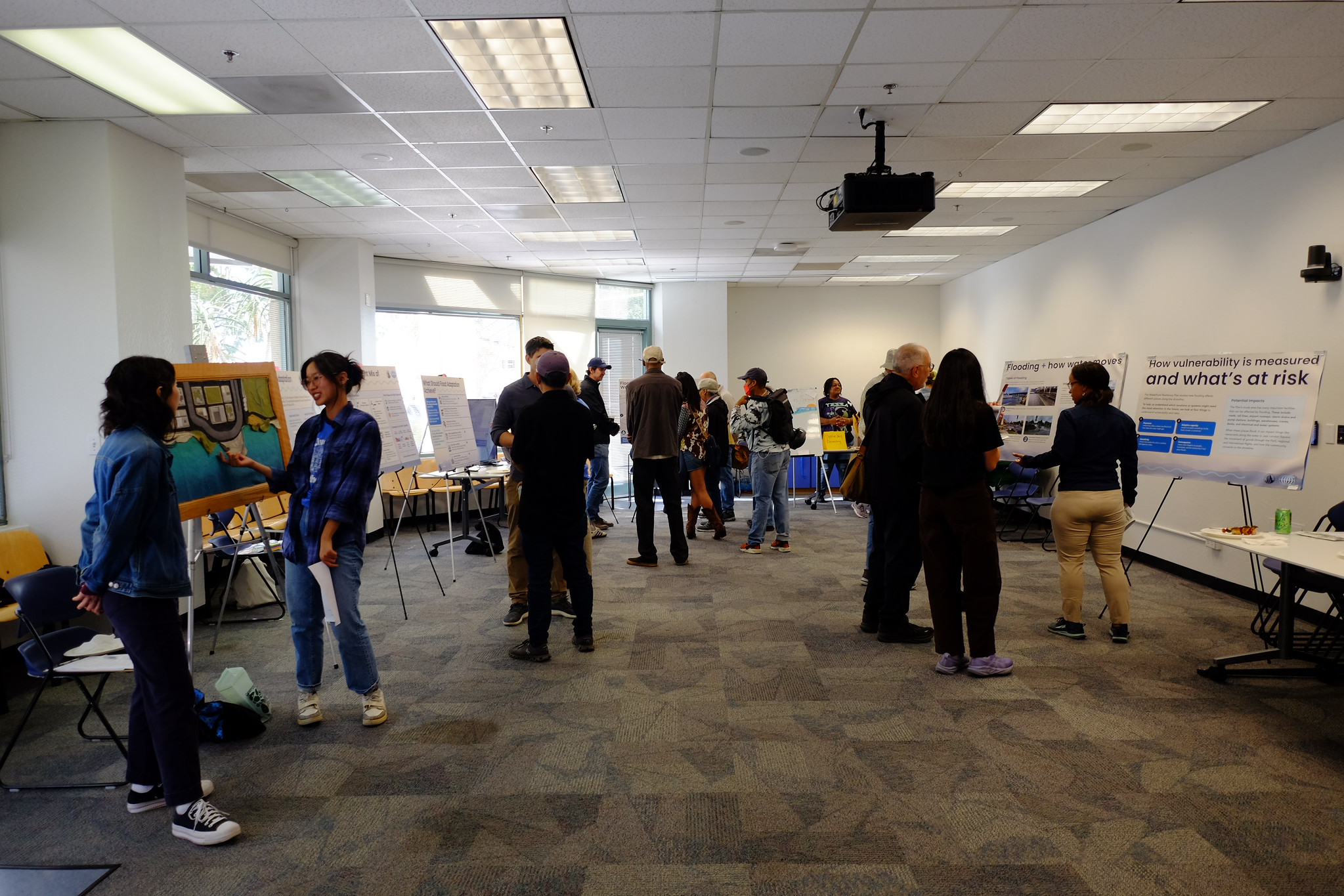
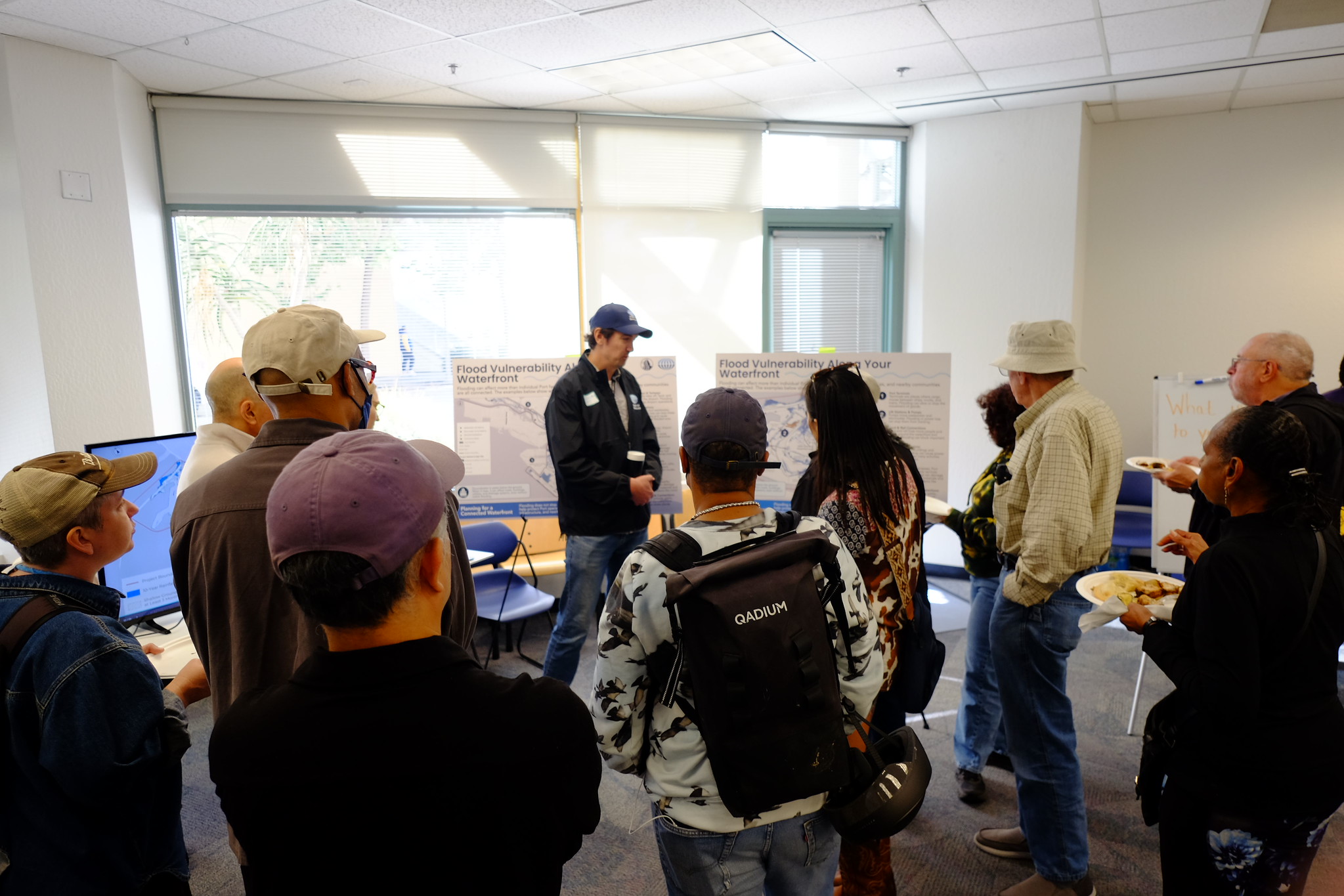
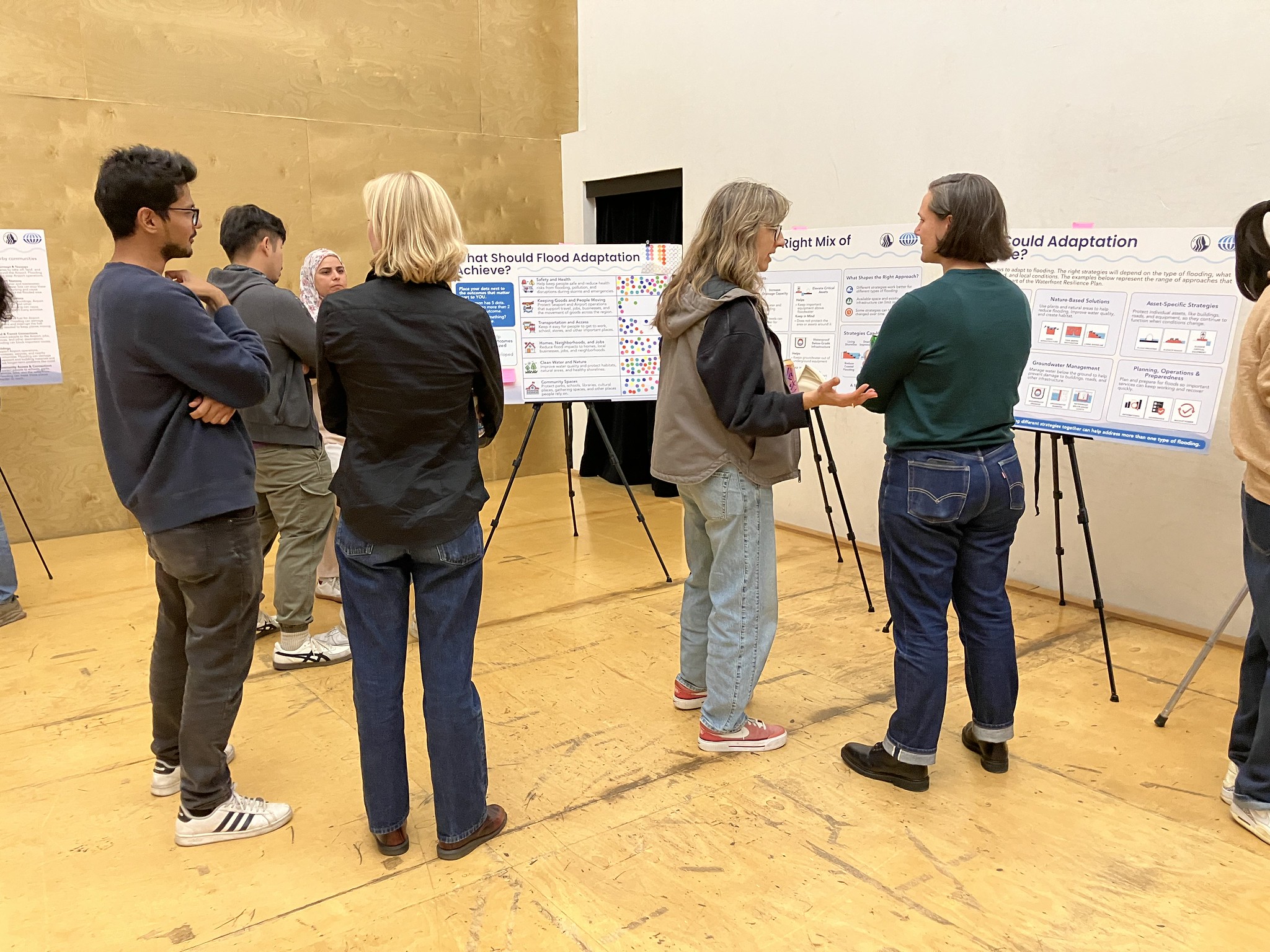
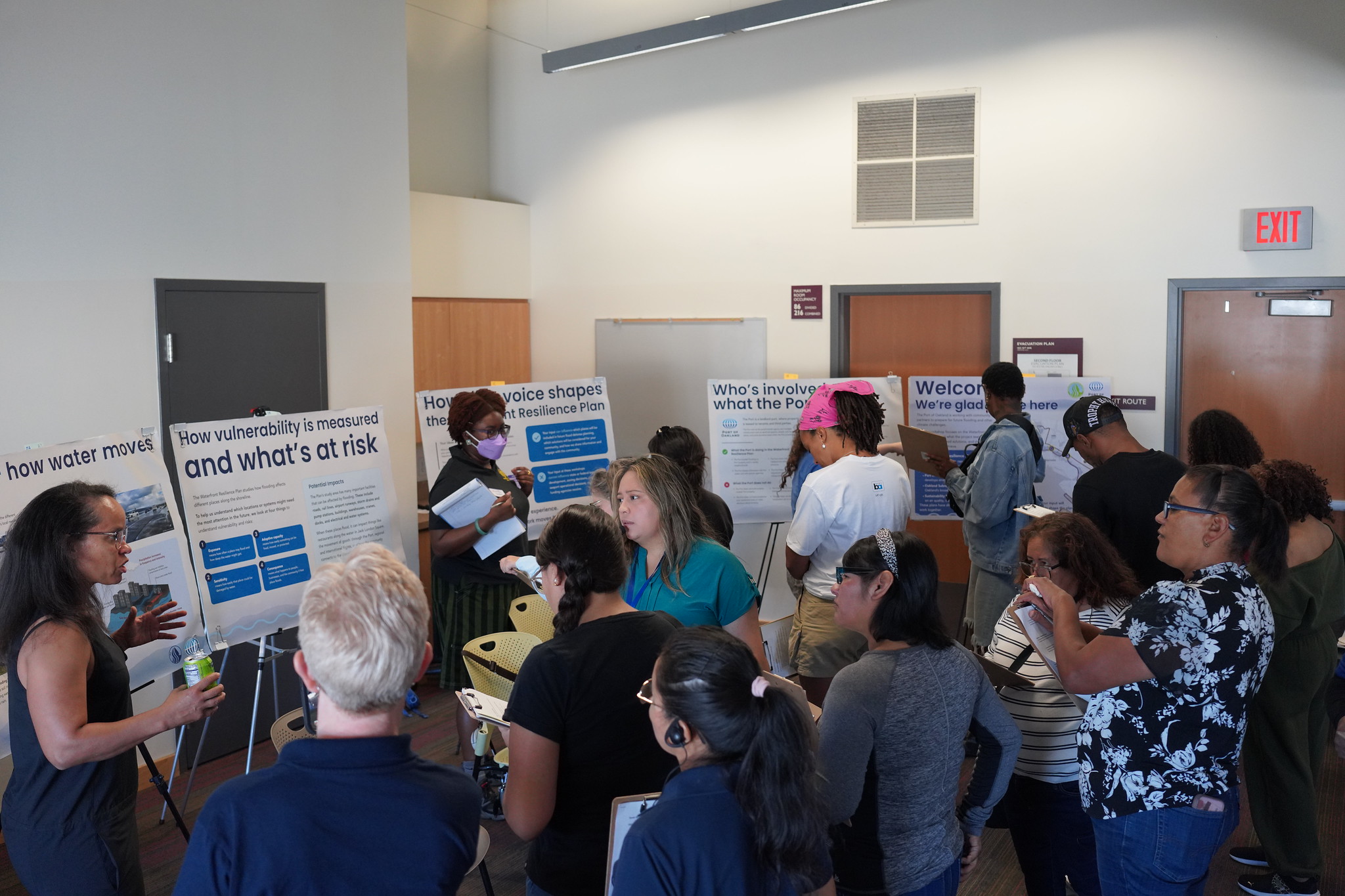
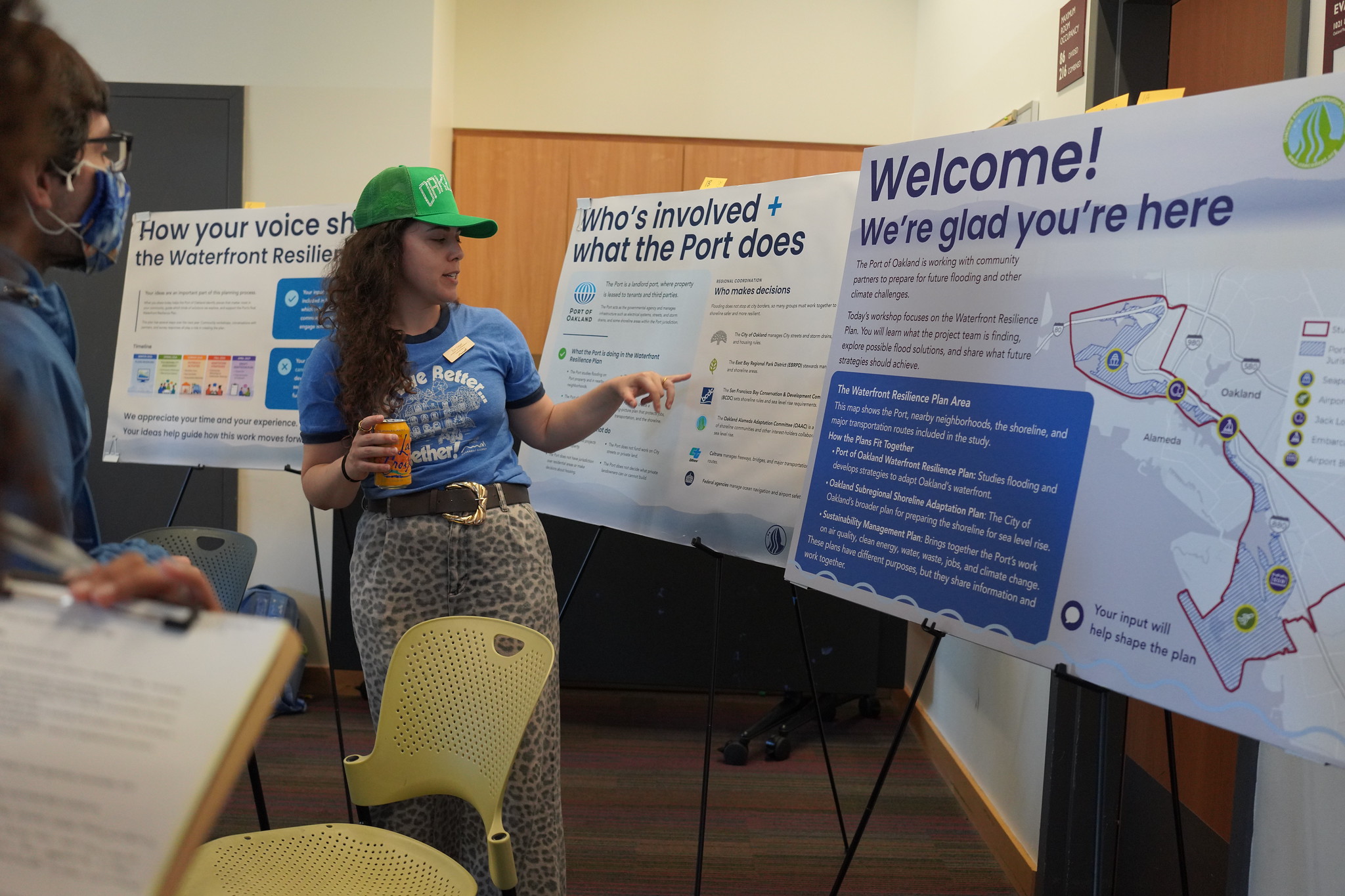
In October, the Waterfront Voices Workshop Series engaged over 125 Oakland residents, particularly those living along the shoreline, to build awareness about flood risks and possible shoreline adaptation strategies, while sharing their concerns and priorities. The workshops took place in neighborhood community spaces in Jack London Square, East Oakland, and West Oakland.
The Waterfront Voices workshops were presented by the Port of Oakland as part of the Port’s Waterfront Resilience Plan, in partnership with the Community Engagement Team led by Greenbelt Alliance. The contributing perspectives will help inform the Port’s ongoing resilience planning. Learn more here.
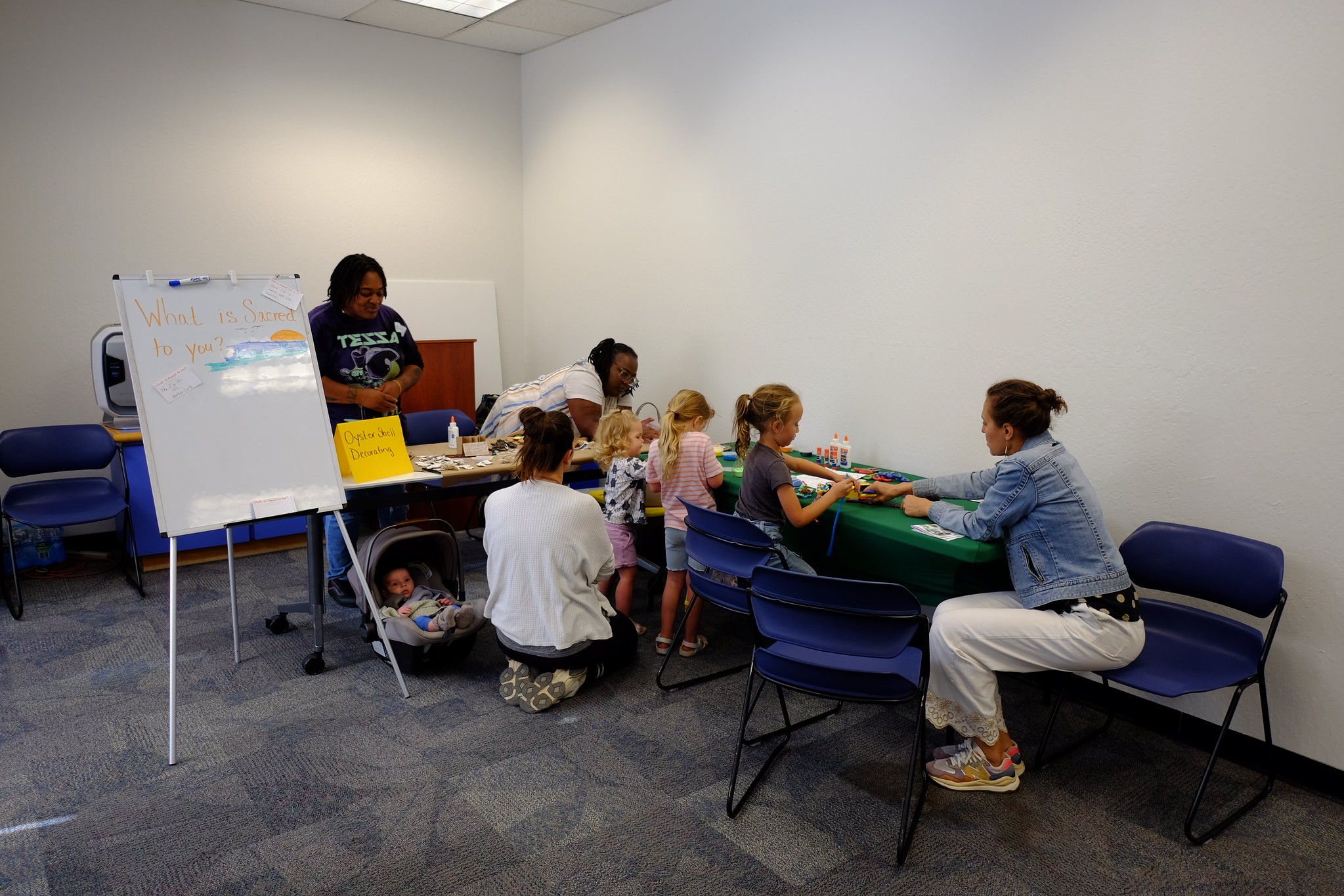
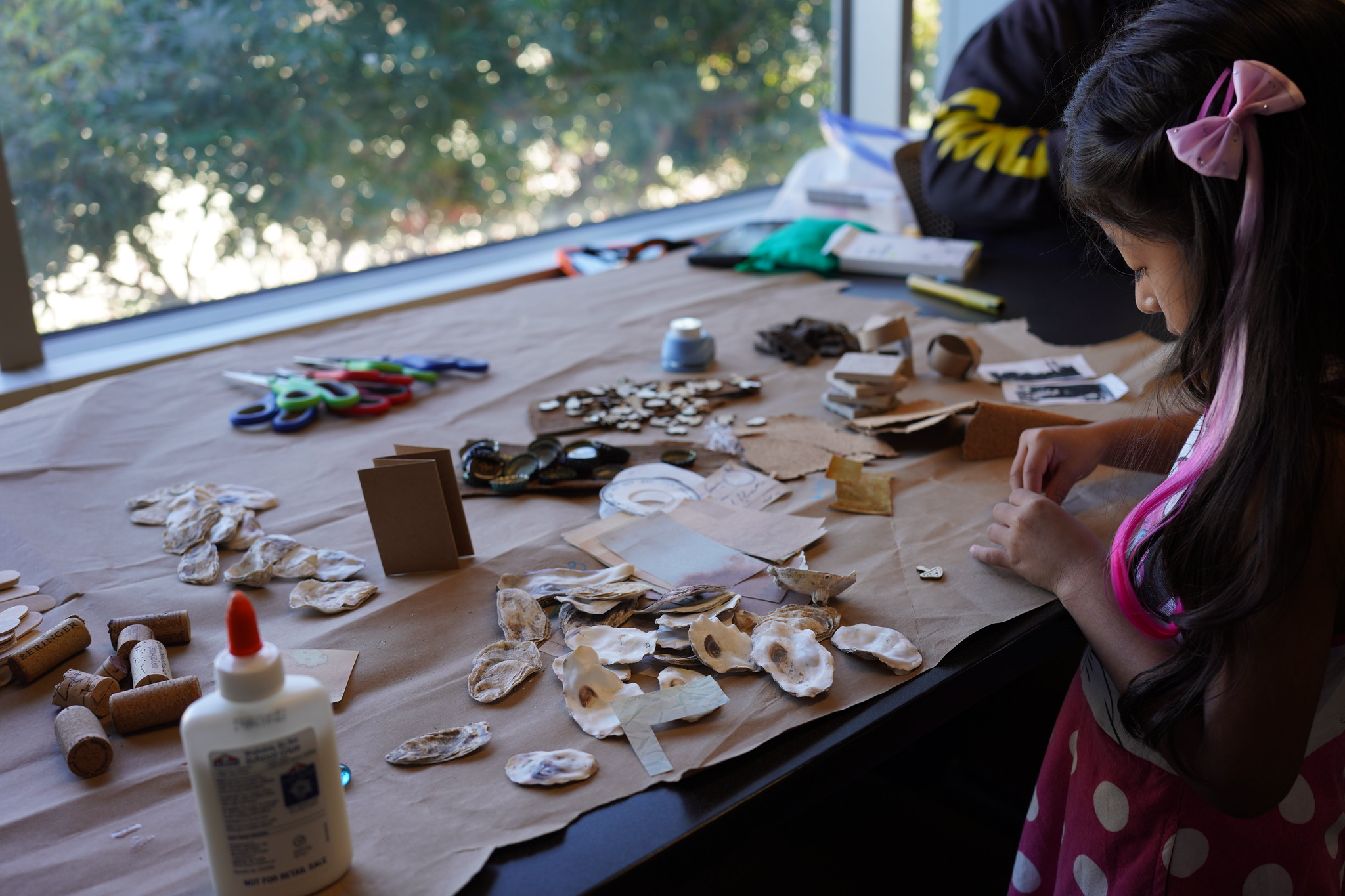
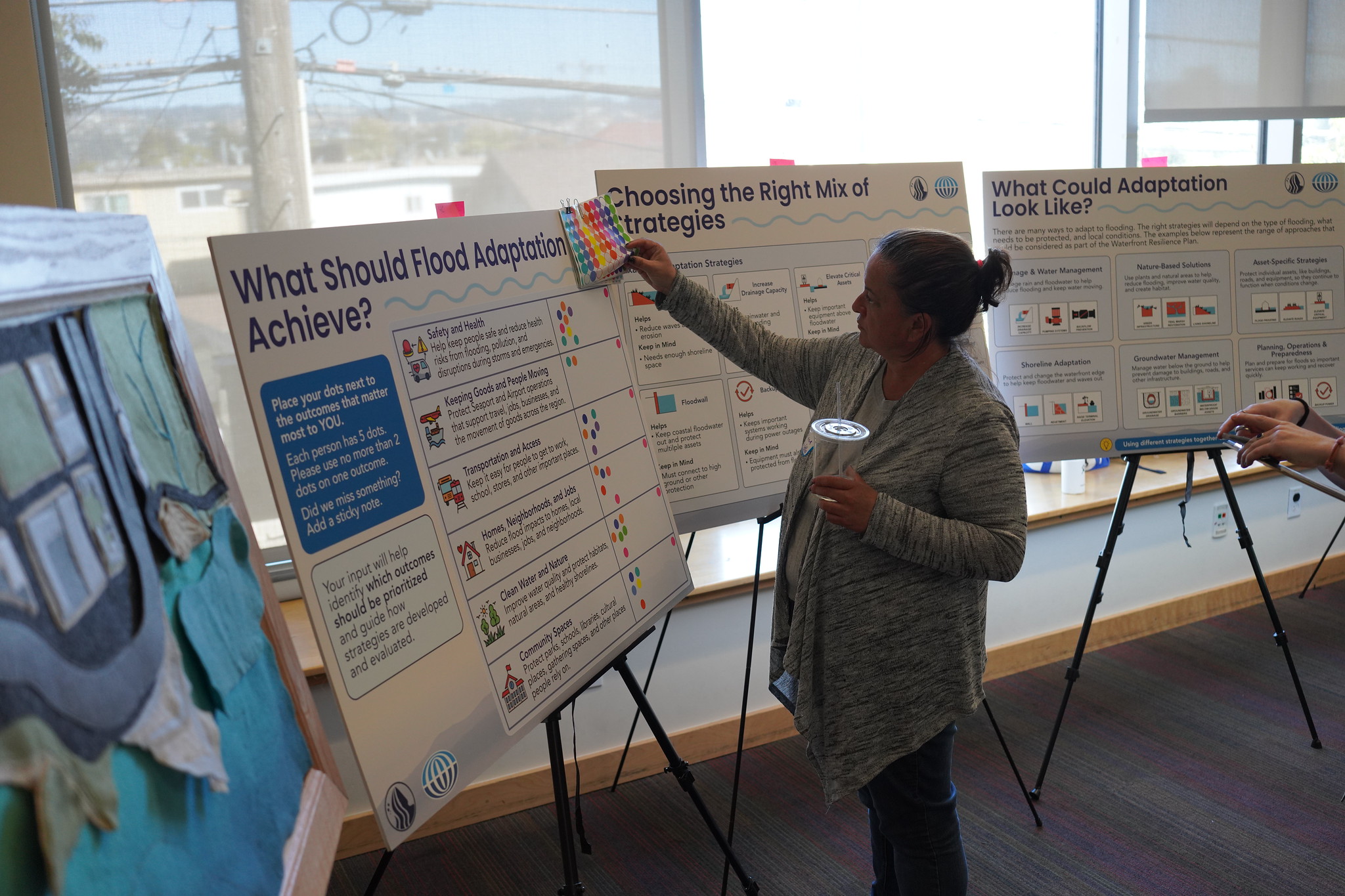
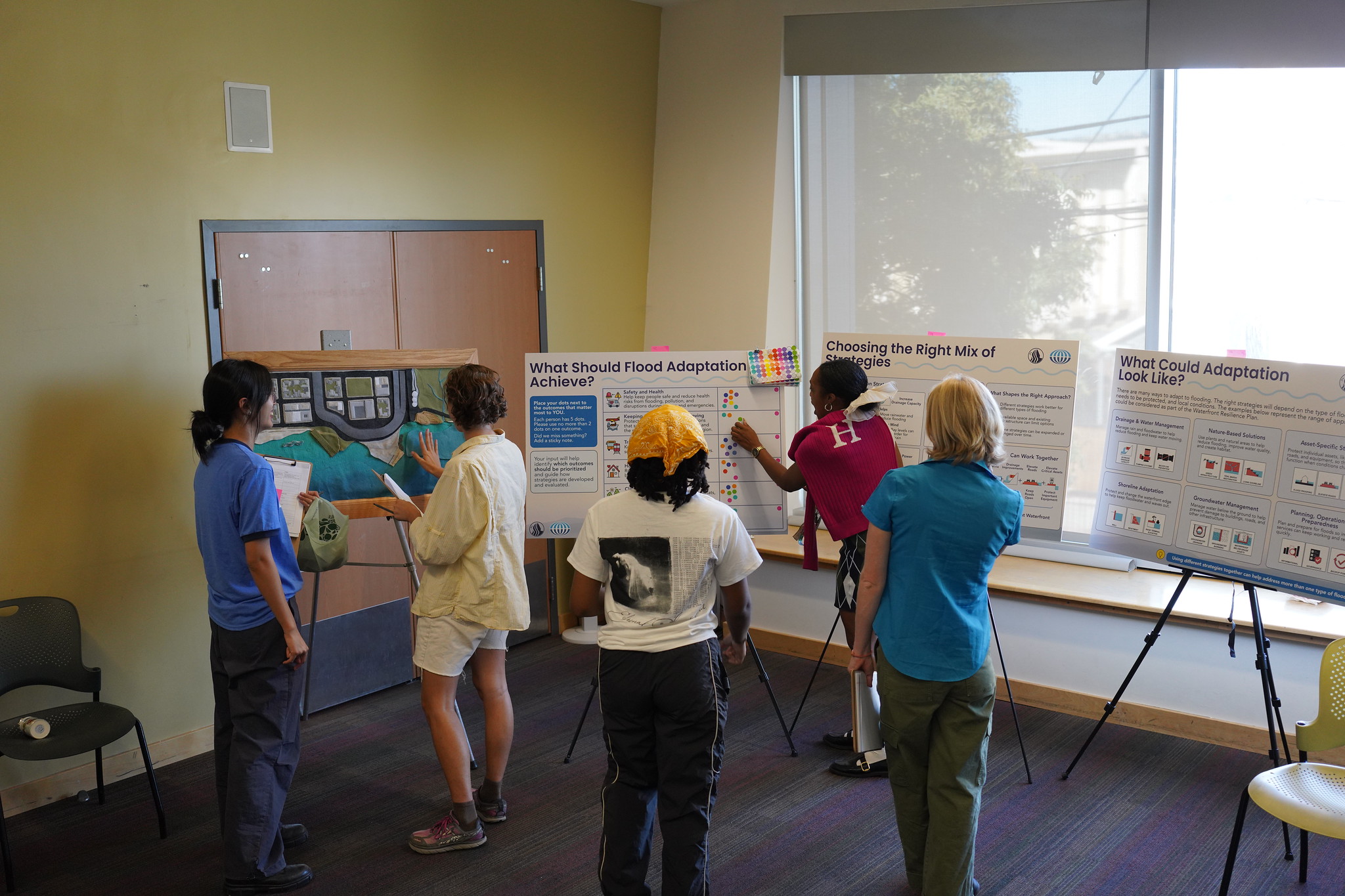
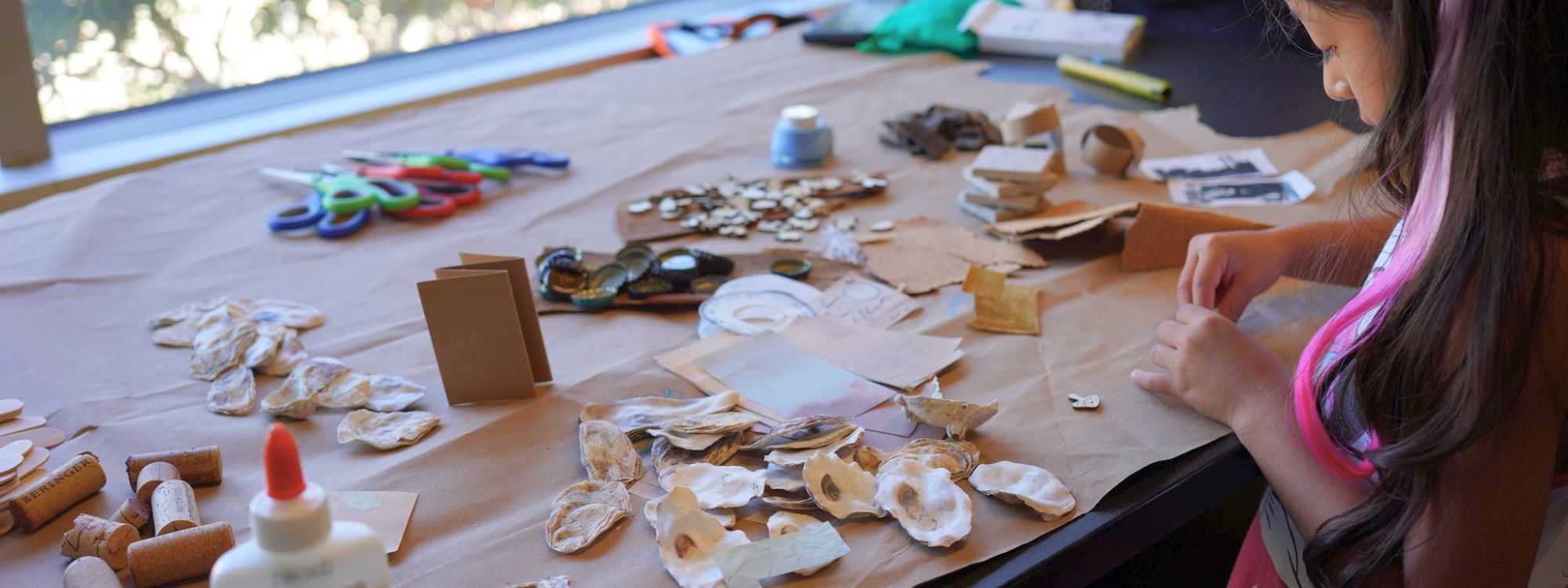
Each workshop guided participants through a series of interactive stations that introduced the Waterfront Resilience Plan, shared findings from the latest flood maps, and gathered input on potential next steps. Participants learned about potential adaptation strategies to protect the shoreline and inland communities, and engaged in an interactive mapping exercise to identify solutions and envision the future of Oakland’s waterfront. To make sure that the meeting was accessible to everyone, food, children’s activities such as an oyster decoration station, and Spanish interpretation were available.
Adapting With Nature
Across all three workshops, participants showed strong support for working with nature to protect the shoreline. Their ideas include restoring beaches, creating living shorelines, and bringing natural creek beds and native habitat back into the landscape. This enthusiasm also pointed to a broader desire to build sea level rise adaptation projects to support ecological health and biodiversity alongside flood protection.
Participants also recognized the challenge of planning for future uncertainty, and raised questions about how the Waterfront Resilience Plan will address them. These concerns include the potential contamination from groundwater intrusion, evacuation options for unhoused neighbors during flooding, and ways to prevent trash from entering storm drains, creeks, and the Bay. Their questions highlighted the importance of addressing these interconnected challenges as the plan moves forward.
Looking Ahead
Now, the Port of Oakland and the technical consultant will take feedback and incorporate it into proposed adaptation strategies. The public will then weigh in on these strategies during the Final Flood Fair tentatively scheduled for April 2027. We would love to see you there!
Until then, there are more opportunities ahead for residents to stay involved in the project. If you want to experience King Tides and learn more about their impacts, come to our upcoming shoreline tours in winter 2027. If you want to learn more about ideas for our shoreline, celebrate with us at the culminating event of the Resilient Roots Shoreline Leadership Training, on Saturday, March 13, at the Jack London Aquatic Center!
We hope to see you at the shoreline or another event in 2027! Until then, sign up for updates from the Oakland Alameda Adaptation Committee (OAAC) here!