
Update: Contra Costa voters sent a clear message this past election by voting to protect the county’s Urban Limit Line (ULL). As of June 3, 68% of voters said a resounding YES to Measure A, marking an incredible win!
Once again, the voters endorsed the renewal of the ULL, which was set to expire by the end of the year, for another 25 years. This effective land-use tool has been in place for over three decades. In that time, the line has been adjusted only six times, and voters renewed it in 2006 with 64% support. The landscapes that define Contra Costa exist in part because that commitment has been kept.
We thank all the voters who endorsed Measure A and our partner Save Mount Diablo who advocated for its passage!
Contra Costa voters just sent a clear message that the farms, the hills, and the open spaces that make this county worth living in are worth protecting. This is smart growth done right, directing development where infrastructure exists, keeping sprawl out of fire-prone hillsides and climate-vulnerable shorelines, and making sure future generations inherit a county they’ll actually want to call home. Greenbelt Alliance is proud to have stood with Contra Costa voters on this one."
Zoe Siegel, Senior Director of Climate Resilience at Greenbelt Alliance

Why the Urban Limit Line Matters
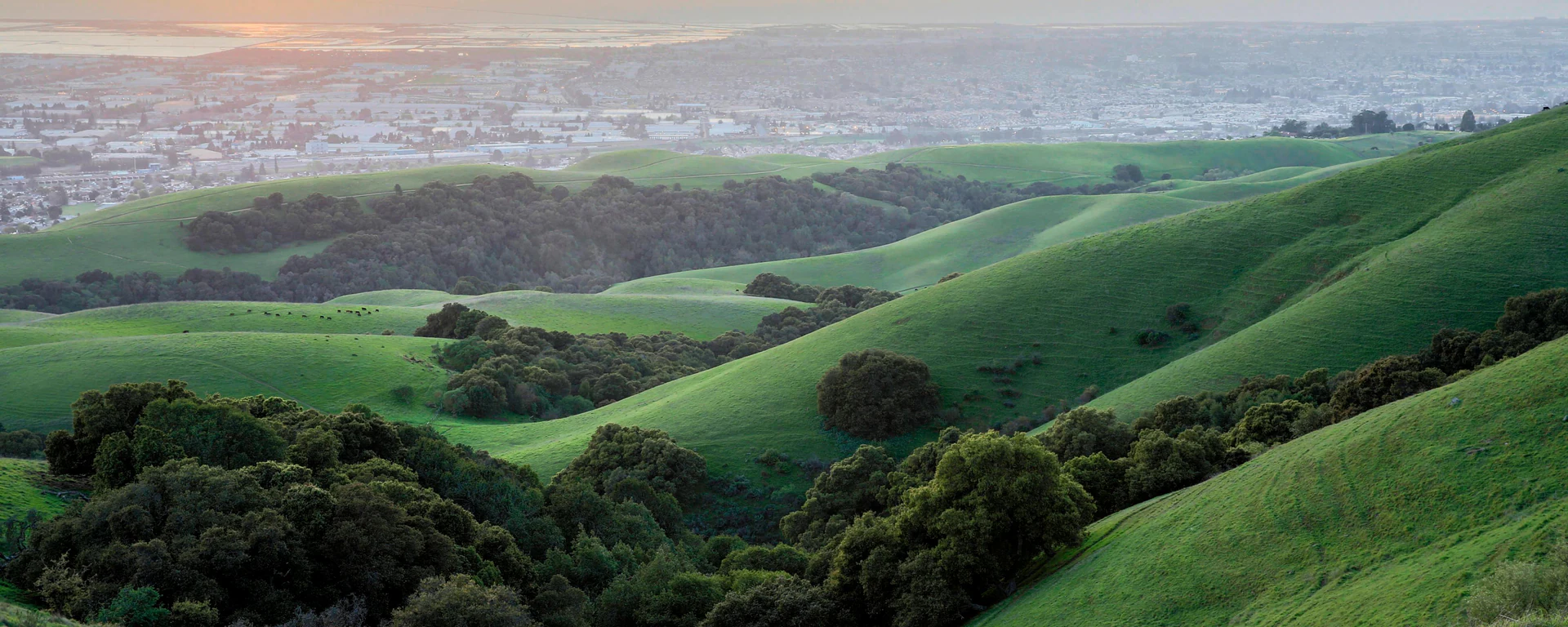
When Contra Costa voters approved the Urban Limit Line (ULL) in 1990, they made a decision about what kind of county this would be. They drew a boundary beyond which urban development couldn’t go – protecting the farms in the Tassajara Valley, the open hillsides above Walnut Creek, and the wetlands along the shoreline—and they asked future generations to keep it in place.
The Contra Costa Board of Supervisors has referred the measure to voters, with updates to the boundary to better reflect current conditions on the ground.
The ULL isn’t about stopping growth. It’s about making sure growth happens in the right places: in existing communities where infrastructure already exists, where people can get around without a car, where new housing and new neighbors strengthen what’s already there. By establishing a clear line beyond which no new urban land uses can be designated, the ULL has protected the county’s agricultural lands, open hillsides, and natural landscapes for more than three decades.
Protected open space and farmland are not optional extras — they are foundational to the health, climate resilience, and livability of Contra Costa communities. Clean water, cooler temperatures, local food, open land that absorbs carbon, and buffers communities from wildfire and flood. The ULL supports all of that by directing growth where it belongs and keeping natural lands open.
Why Greenbelt Alliance Endorsed Measure A
Greenbelt Alliance has worked to protect the Bay Area’s open spaces and farmland for nearly 70 years, and the Contra Costa Urban Limit Line is central to that work. By keeping growth focused within existing communities and away from natural landscapes, the ULL directly supports our mission to protect the greenbelt and help Bay Area cities thrive.
Measure A is also a critical climate tool. Compact infill development reduces the vehicle miles traveled and greenhouse gas emissions that drive the climate crisis, while preserving open lands sequester carbon, filter water, and buffer communities against extreme heat, flooding, and wildfire. At a time when federal rollbacks are threatening environmental protections across the board, locally-driven policies like this one matter more than ever.
Passing Measure A advances priorities that matter deeply to residents across the county, including:
- Protecting agricultural lands and open space from conversion to sprawl development.
- Reducing greenhouse gas emissions and traffic by directing new housing and jobs to infill locations.
- Maintaining the 65/35 Land Preservation Standard, which ensures that at least 65% of the county’s land remains non-urban.
- Restricting new development in fire hazard severity zones and on steep slopes, reducing wildfire risk.
- Supporting successful implementation of the county’s newly adopted 2045 General Plan.
By approving Measure A, Contra Costa County is able to maintain approximately $2 million annually in local street maintenance funding from the Contra Costa Transportation Authority, which required the permanence of the ULL for the funding.
There Is Room to Grow Inside the Line
Opponents of urban growth boundaries sometimes argue that such limits constrain housing production. The Contra Costa ULL tells a different story. The county’s 2045 General Plan process confirmed that vacant and underutilized land inside the existing ULL can accommodate 23,200 new housing units, 1.2 million square feet of new commercial development, and 5 million square feet of new industrial space. There is no need to expand into open space and farmland to meet the county’s growth needs — and there never has been.
Measure A also includes targeted adjustments to the ULL map that would make it more accurate and functional: removing areas with major development constraints or protected status, aligning the county line with city boundaries where cities have adopted their own urban growth boundaries, and cleaning up inconsistencies like so-called ULL “islands.” These changes reflect reality on the ground without opening the door to sprawl.