


What Is At Risk: The Bay Area Greenbelt?
At Risk: The Bay Area Greenbelt is the definitive research on the farms, ranches, and natural areas at risk of being lost forever to sprawl development.
It brings to light—out of the depths of planning documents—what the region’s future could hold if we do not stop sprawl.
“The San Francisco Bay Area’s natural lands provide fresh water, wildlife habitat, and protection against the effects of climate change. Defending these lands from being consumed is vital. Greenbelt Alliance’s work on forward-thinking and creative policies to save these places is critical to the future of the Bay Area.” Terry Tamminen, CEO – Leonardo DiCaprio Foundation
Across the Bay Area, the land at risk covers about 458 square miles—that’s 10 times the size of San Francisco. One of these vital landscapes is San Jose’s Coyote Valley. Watch to learn more and sign the petition to stop development in Coyote Valley.
293,100 acres of farms, ranches, and natural lands are at risk of development in the next 30 years. Of that land, 63,500 acres are likely to be consumed in the next 10 years.
These lands are at risk, but there’s still time to speak up and save them.
FIGHTING FOR THE GREENBELT
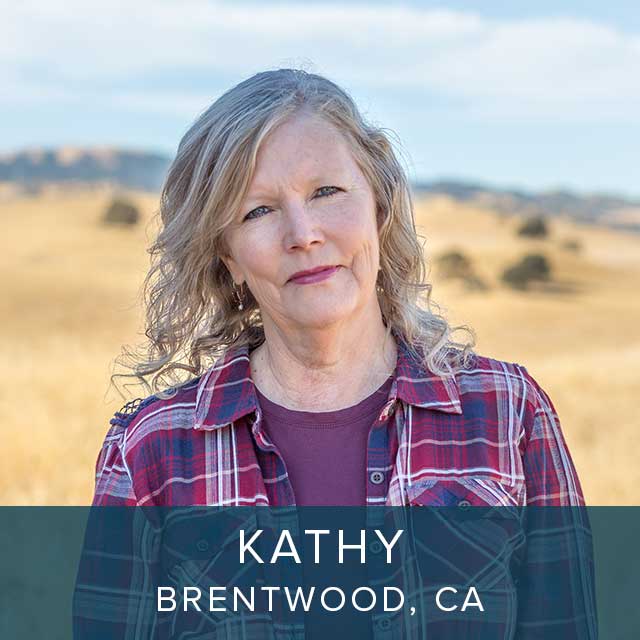
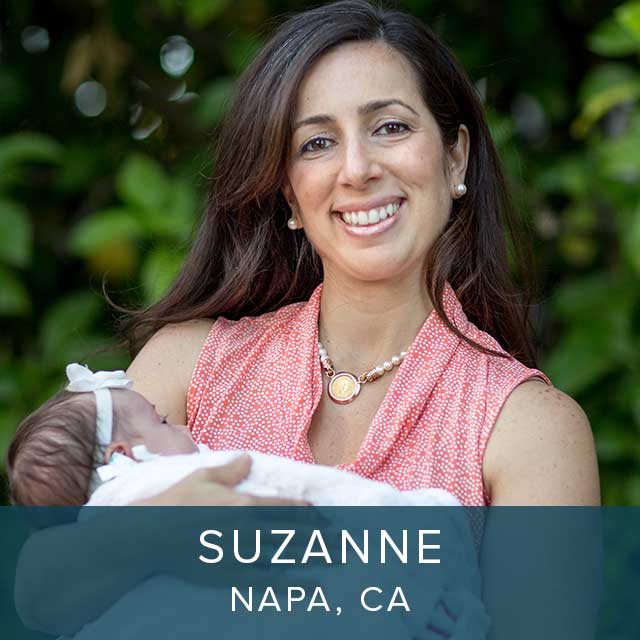
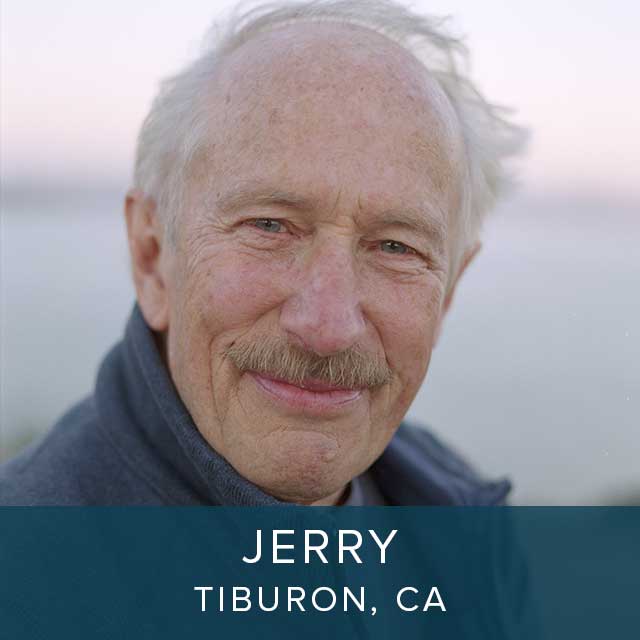
These local champions are stopping sprawl development from consuming our farms, ranches, and natural lands.
Read their stories in At Risk and join the fight.
More Research

An Interwoven Greenbelt Buffer for Wildfire Risk Reduction
At a time when communities are reeling from the devastating impacts of destructive fires and losing insurance protections, a solution is needed now more than ever. Greenbelt Alliance offers a new, creative intervention for fire-prone areas statewide to adopt.
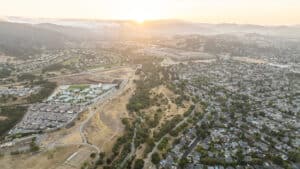
Be Prepared Gilroy: A Community Disaster Preparedness Toolkit
Your go-to guide with key resources and a roadmap to community disaster resilience.
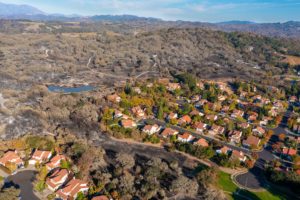
The Critical Role of Greenbelts in Wildfire Resilience
The Bay Area is at a tipping point in its relationship to wildfire. There is huge potential for the region, and other places across the Western US, to accelerate greenbelts as critical land-use tools to bolster wildfire resilience.
